A Ceramic Studio
Built Around Making.
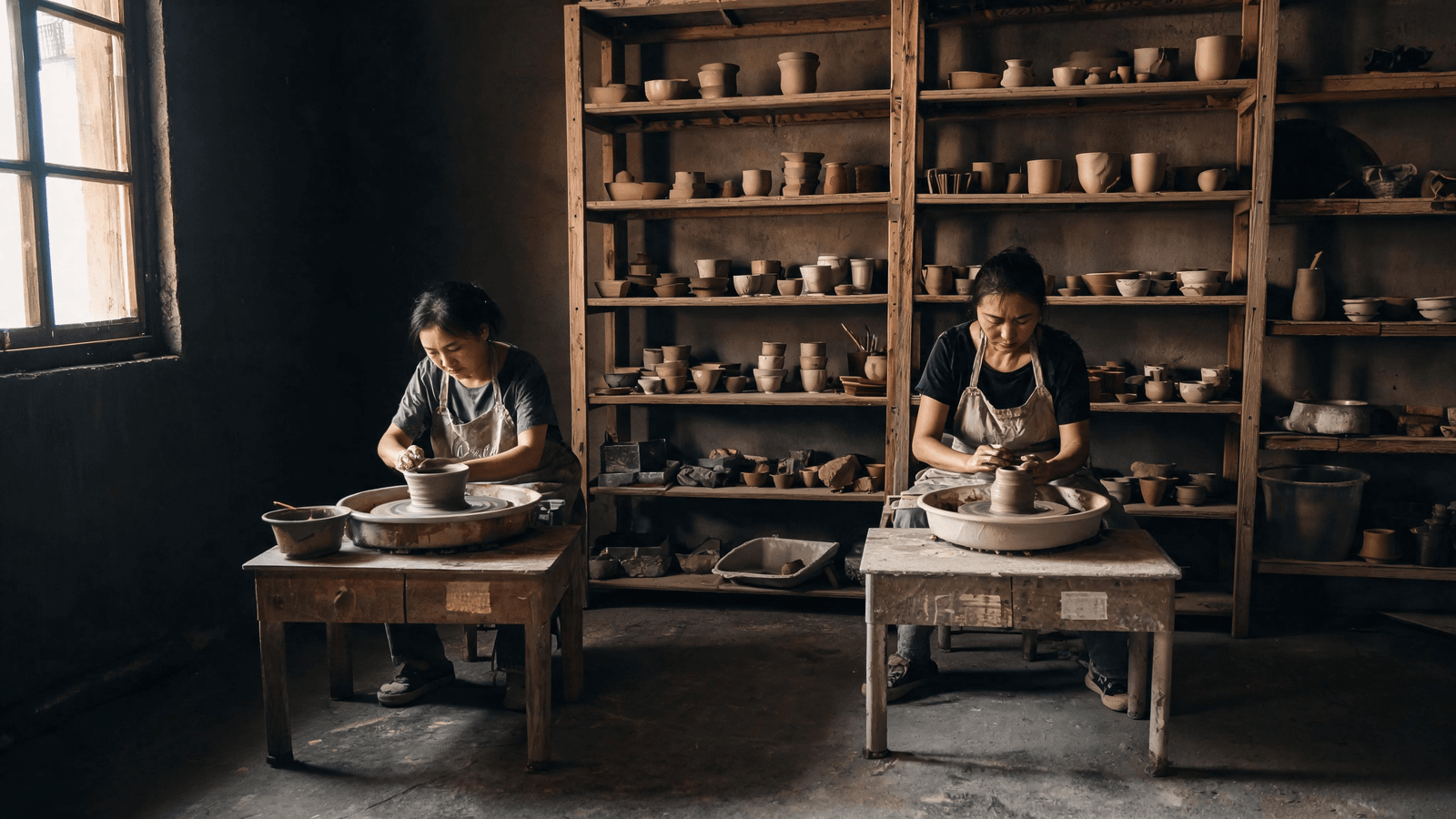
Based in Chenlu Kiln Town, China, we create ceramic tableware and objects for hospitality, retail, design and custom projects worldwide.
Our work brings together material knowledge, handcraft and production experience — from early development through final production.
Ceramics Rooted in Place.
Made for Projects Beyond It.
Chenlu Ceramics is a ceramic studio and production partner based in Chenlu Kiln Town, Shaanxi, China — a place shaped by generations of ceramic making.
We work with hospitality groups, restaurants, retailers, designers and other professional partners to develop ceramic tableware and custom collections from initial concept through production.
Our approach combines material knowledge and hands-on making with the consistency, communication and production discipline required for commercial projects.
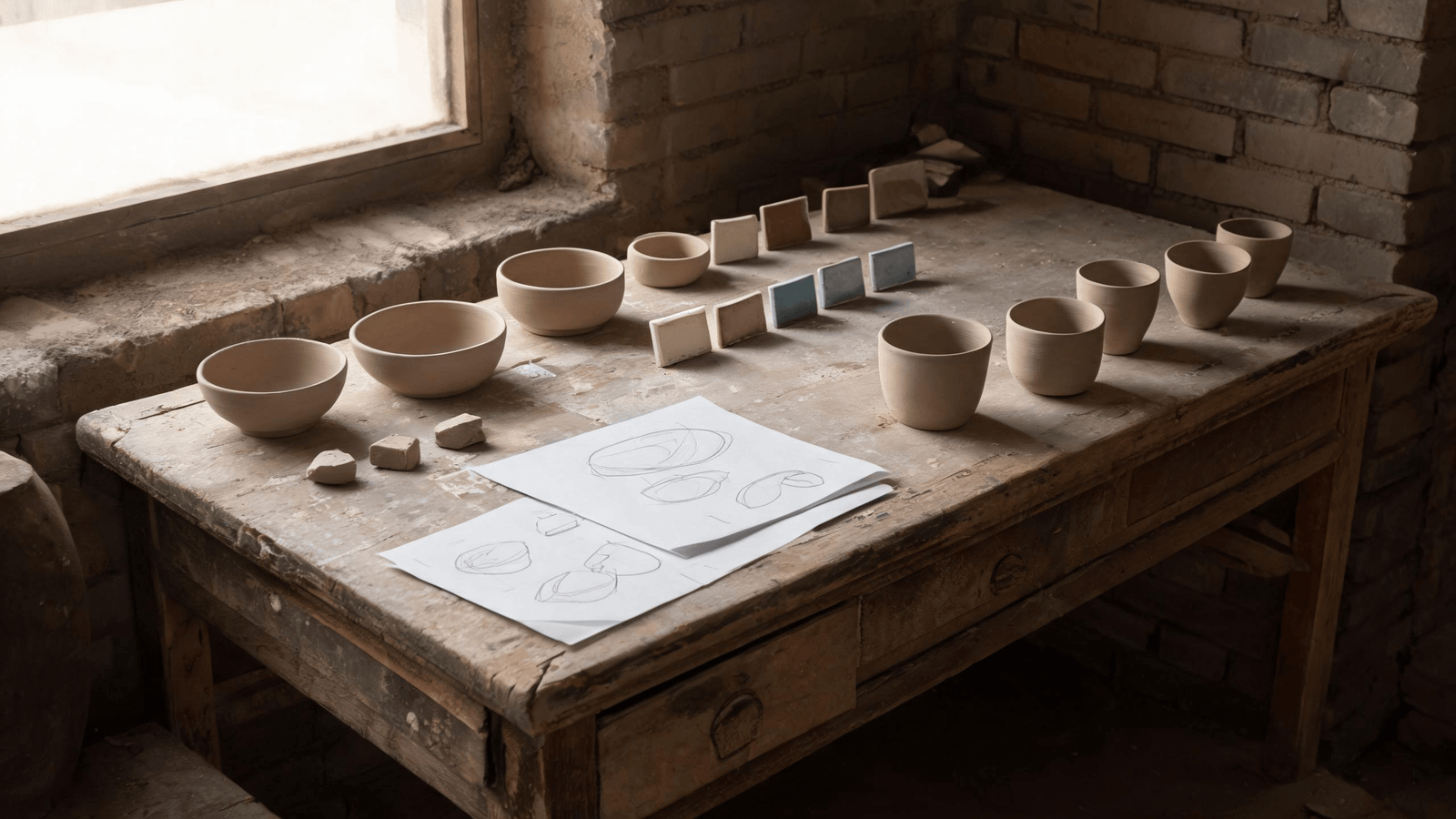
Concept to Sample
Form, proportion, surface and glaze development.
Sample to Production
Structured production for approved project specifications.
Made for the Project
Forms, sizes, surfaces, glazes and selected identity details.
Built for B2B
Hospitality, restaurants, retail and design partners.
Made Through Material,
Hand and Time.
Our ceramics are shaped not by one element, but by the relationship between material, hand and time.
Clay responds differently to pressure and moisture. Handwork leaves subtle variation. Drying, glazing and firing continue to change the surface long after shaping is complete.
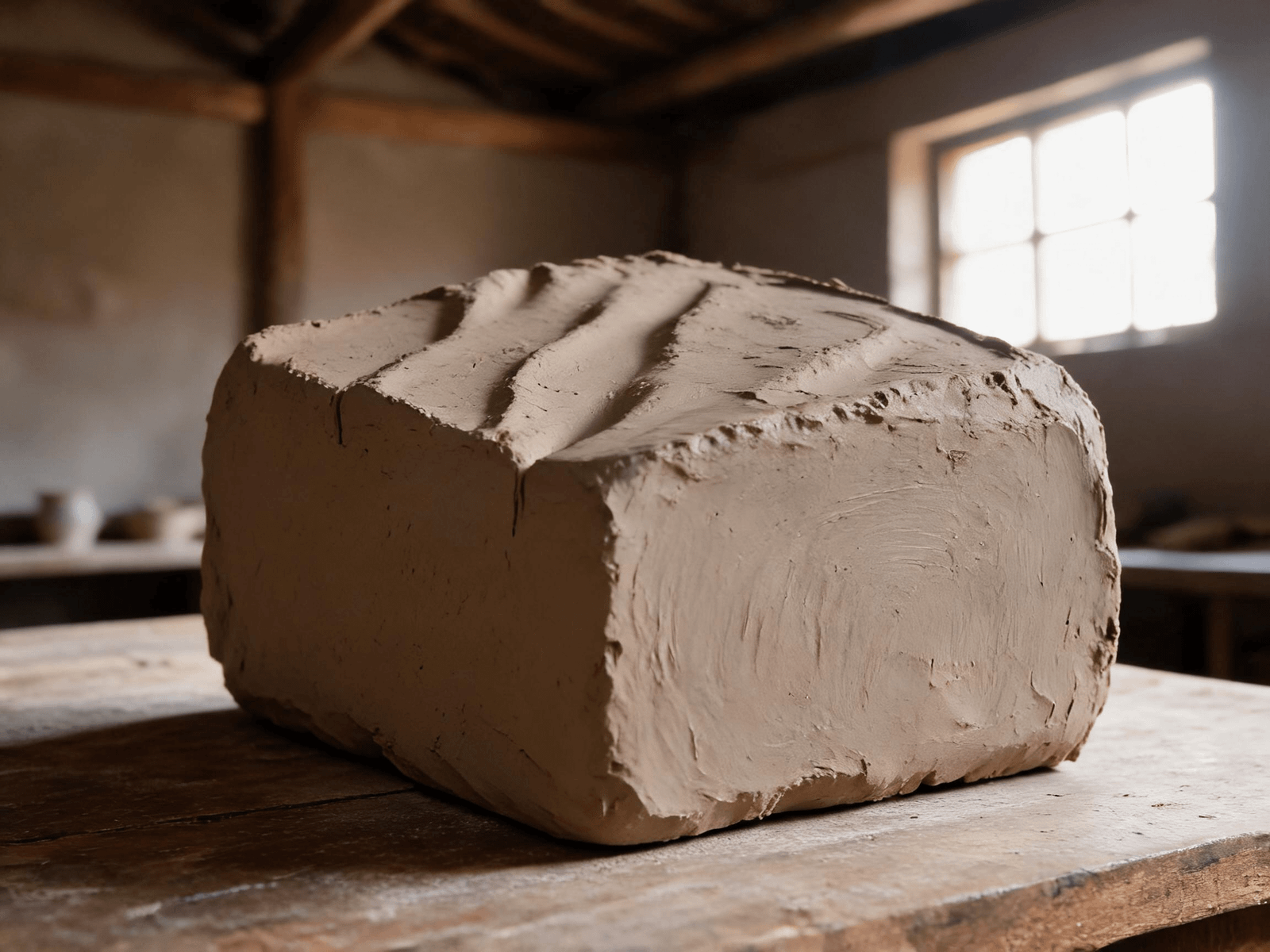
Clay sets the possibilities.
Texture, density and response to water and fire begin with the material itself.
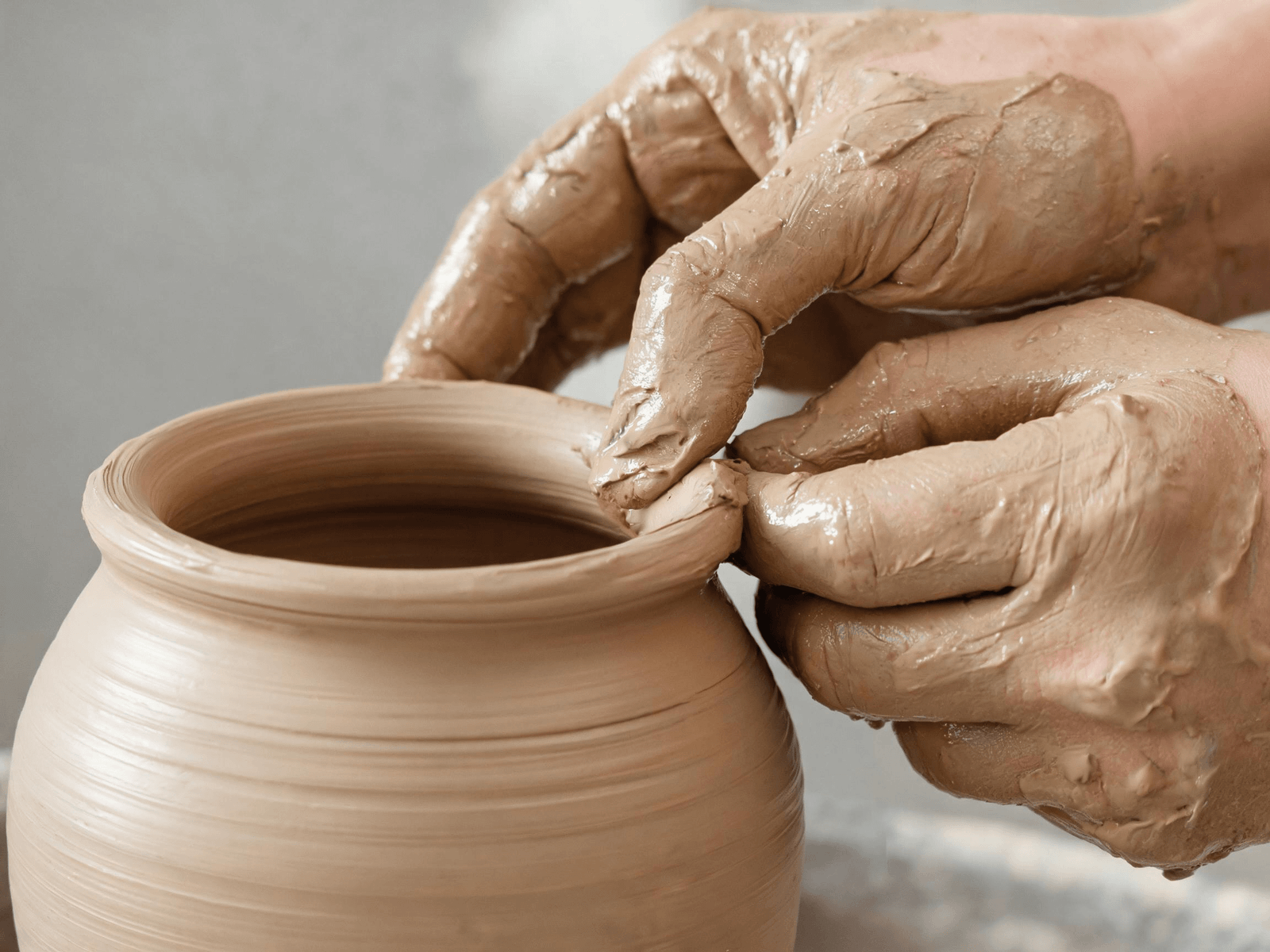
The hand leaves evidence.
Small shifts in line, rim and surface are part of the making, not decoration added afterward.
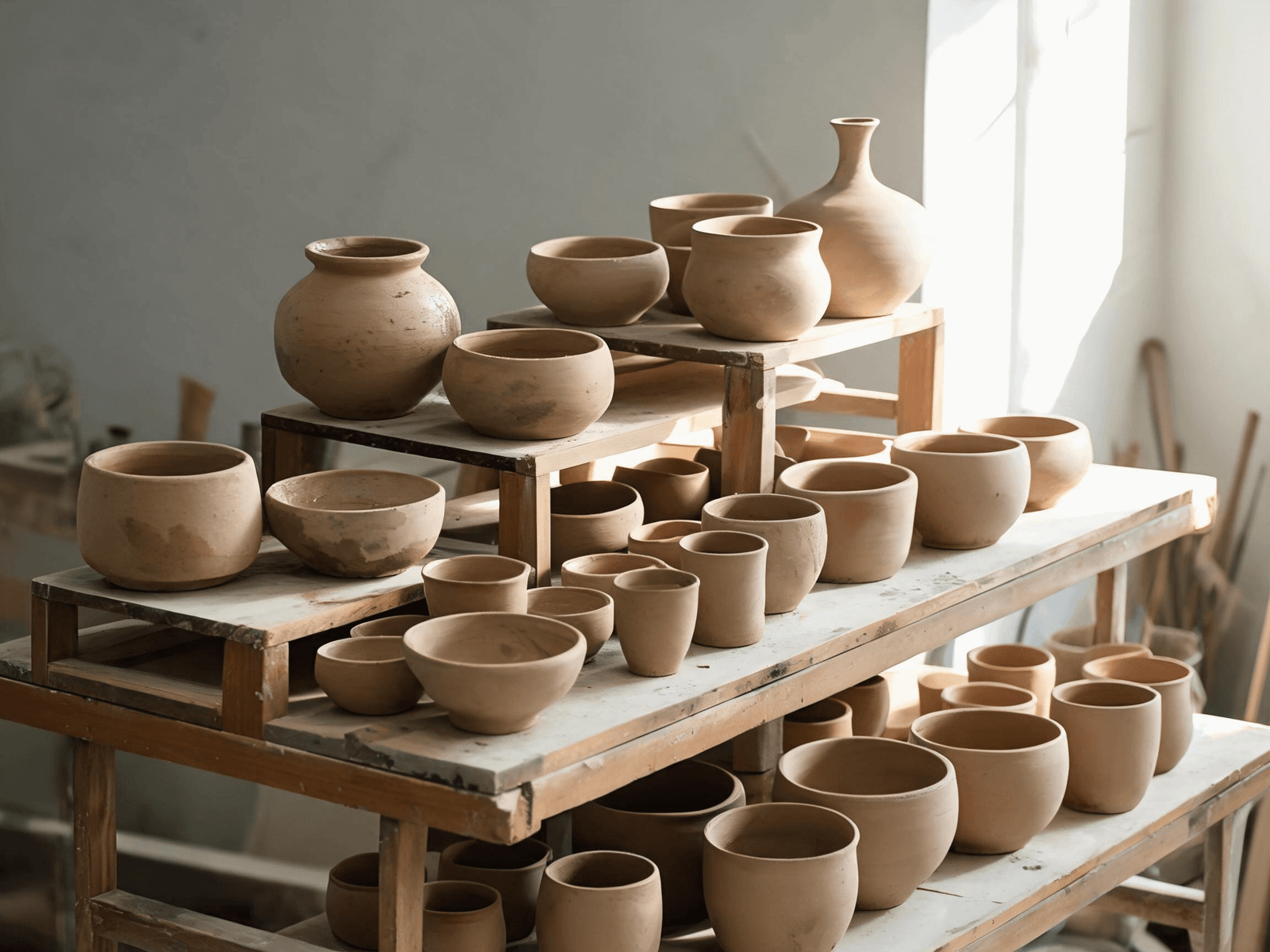
Time continues the work.
Drying, resting, glazing and firing change the piece after shaping is finished.
For project work, this means character can be repeated — without making every piece feel identical.
From an Idea
to a Ceramic Collection.
Every project begins differently. Some start with a sketch, some with an existing form, and others with a material, surface or dining concept.
We work with professional partners to translate those starting points into ceramic forms that can be sampled, refined and prepared for production.
The goal is not simply to make an object. It is to develop the right object for the project.
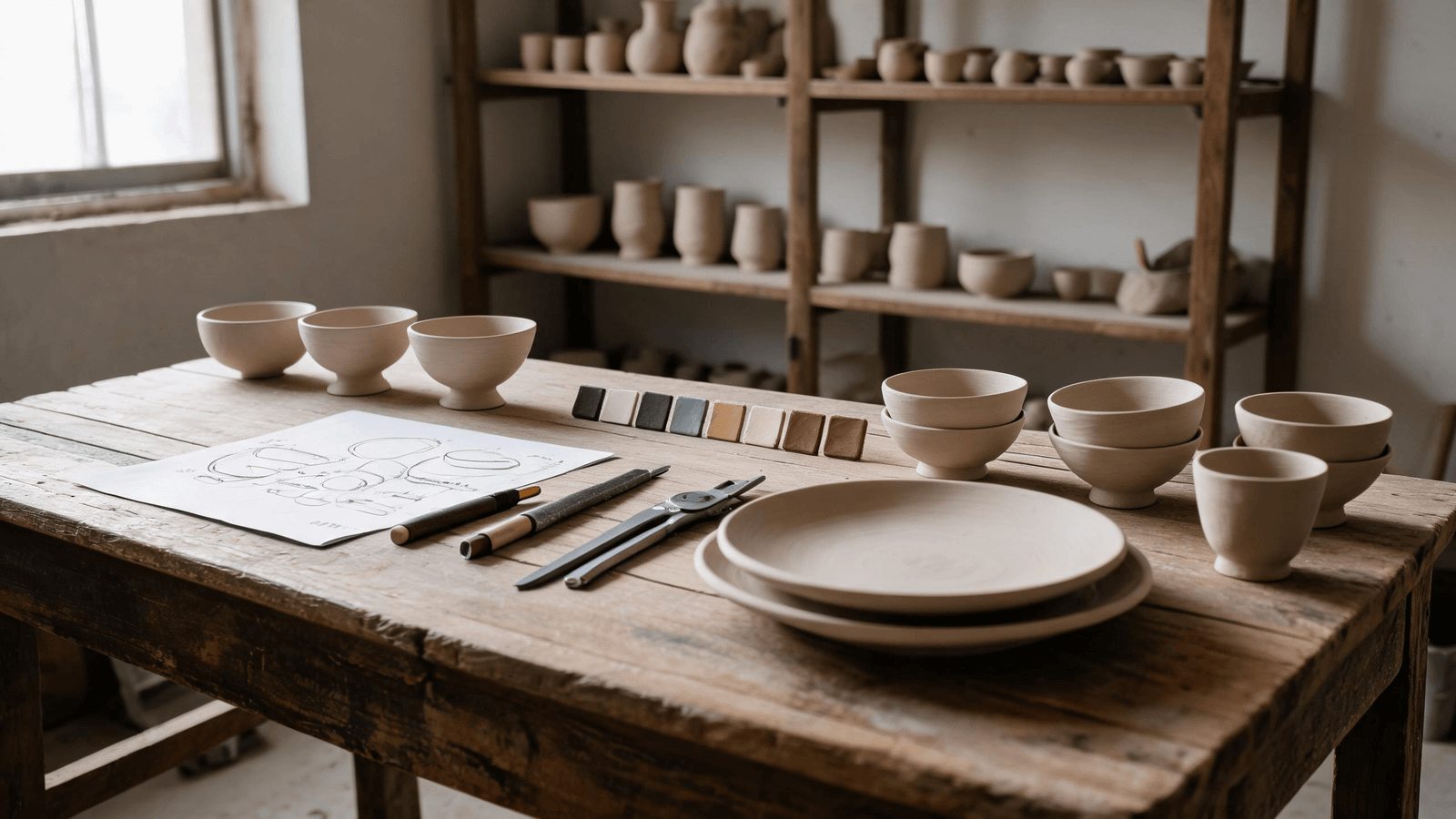
Shape the object around its use.
Proportion, profile, rim, foot, handle and scale can be developed around the intended setting and function.
Build character through surface.
Glaze tone, texture, finish and the relationship between clay and surface can be explored through sampling.
Think beyond the single piece.
Individual forms can be developed as part of a wider tableware or object family, with proportion, material and surface considered across the collection.
Adapt the work to its setting.
Scale, function, surface and selected identity details can be adjusted for hospitality, restaurant, retail and design applications.
Custom does not mean starting without structure.
A clear development process allows creative decisions to become production decisions.
The Making Takes Time.
The Process Should Not Waste It.
Ceramic development involves decisions that cannot always be rushed — form, glaze, firing and material response all require testing and evaluation.
The project around those decisions, however, should remain clear.
We structure each collaboration around defined stages, shared specifications and approvals, so that creative decisions can move toward production with fewer surprises.
Understand the project first.
Intended use, quantities, dimensions, references, surface direction, timing and commercial requirements are clarified before development begins.
Turn direction into decisions.
Form, proportion, clay, surface and glaze directions are developed around the agreed project requirements.
Make before we multiply.
Physical samples allow form, dimensions, glaze, finish and other agreed details to be reviewed before production is confirmed.
Produce against what was approved.
Once specifications and samples are confirmed, production follows the agreed project standard with defined references for the team.
Check before it leaves us.
Finished work is reviewed against agreed specifications and project expectations before packing and preparation for delivery.
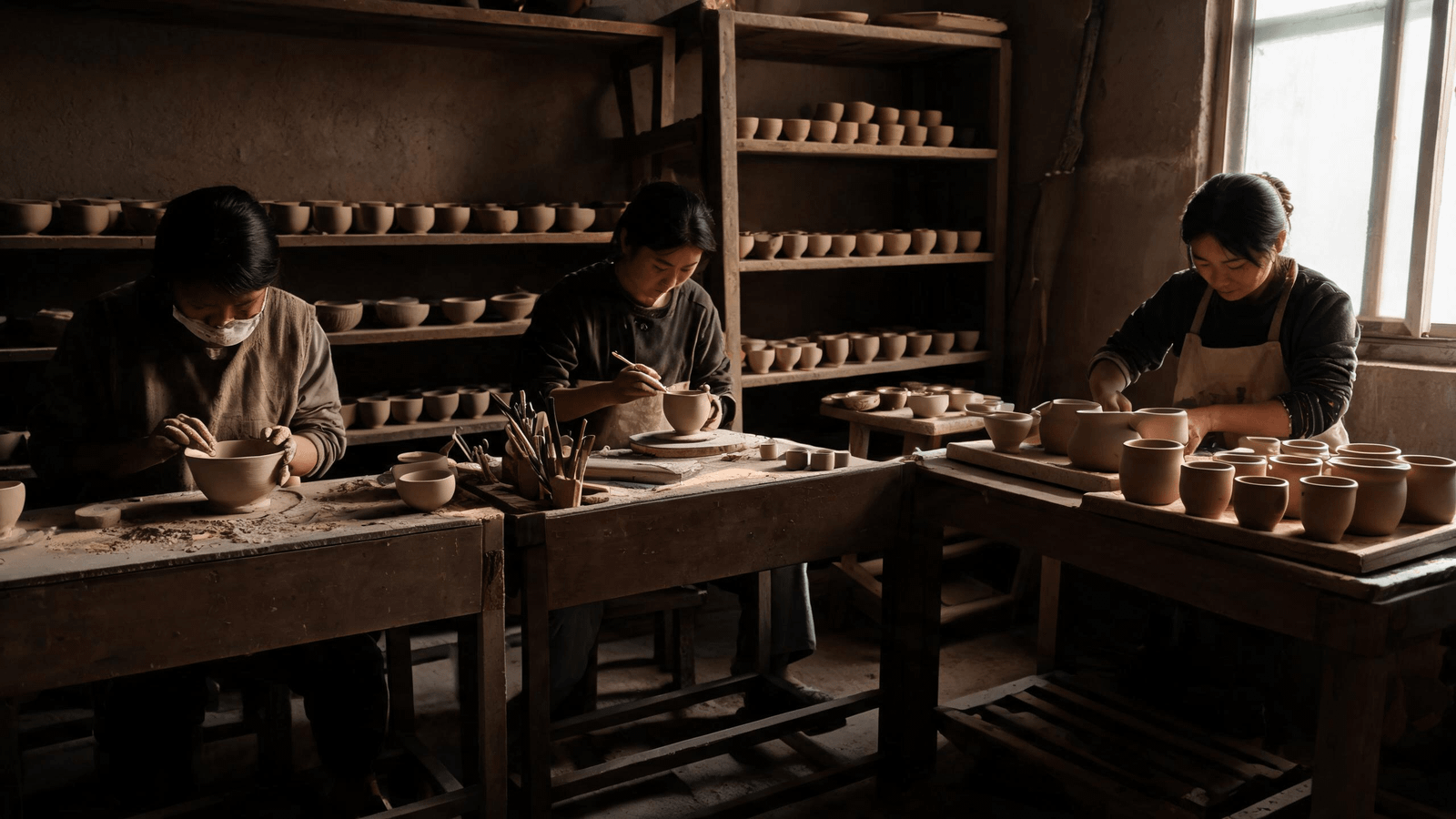
Clarity before production protects both the work and the project.
Fewer assumptions. Clearer approvals. Better production decisions.

Made in
Chenlu Kiln Town.
Chenlu is not simply where we work. It is part of the context in which the work is made.
Our studio is based in Chenlu Kiln Town in Tongchuan, Shaanxi, a place with a longstanding relationship to ceramic making.
Kilns, workshops, clay, architecture and generations of making have shaped the character of the town.
For us, working here means ceramic production exists within a living material and making culture — not as an isolated manufacturing activity.
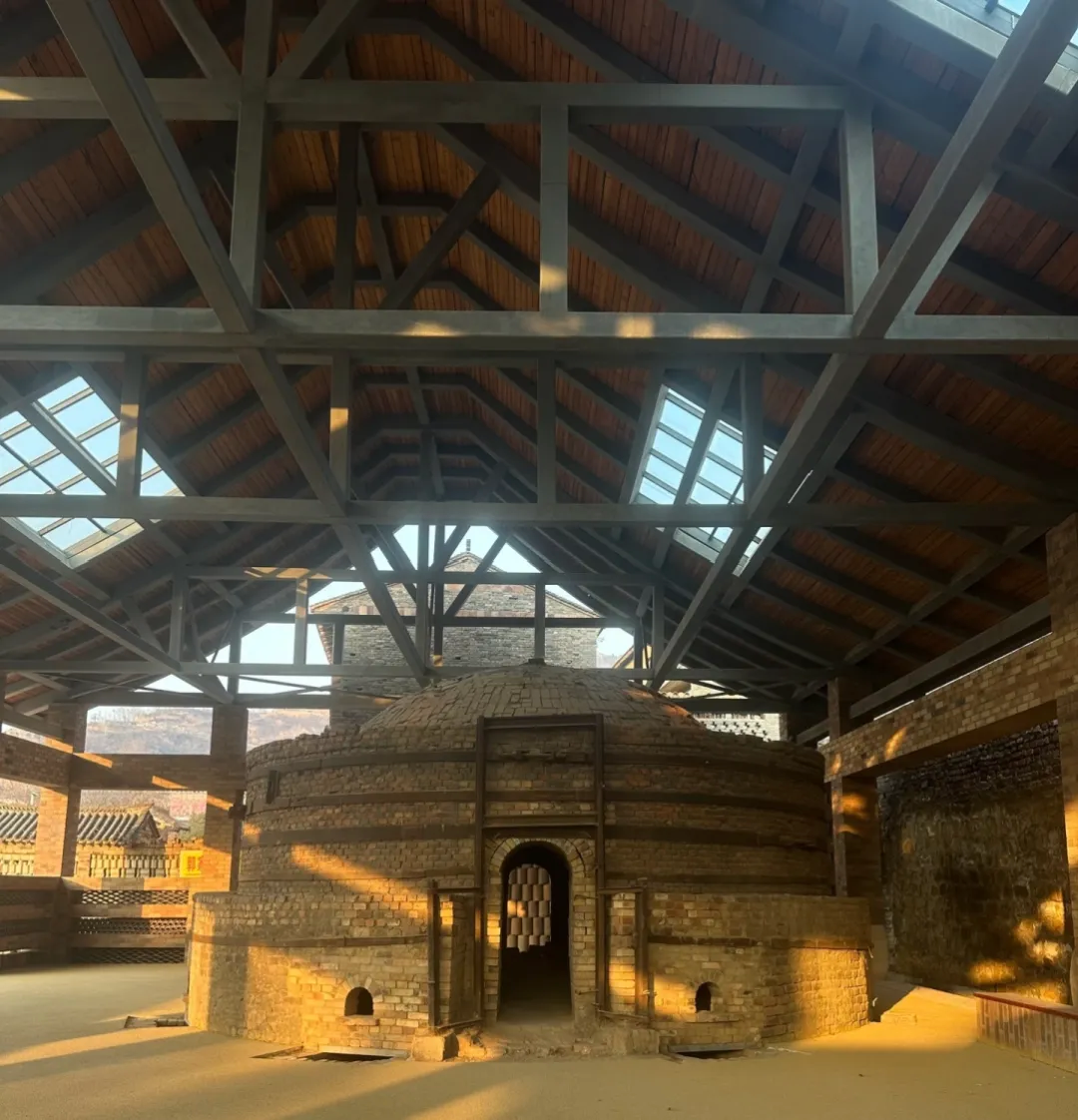

Place gives the work a story that can travel with it.
For hospitality, retail and design projects, origin can become part of how a collection is understood, presented and remembered.
Discover Chenlu Kiln Town
Start With
the Project.
Every collaboration begins with a different set of requirements.
Tell us what you are developing, where the ceramics will be used, the quantities you are considering and where you are in the process.
We can begin from there.
You do not need to have every detail resolved before contacting us.
A sketch, reference image, existing sample, material direction or clear description of the intended use can be enough to begin a conversation.
For hospitality, retail, design and professional ceramic projects.