A Place Shaped
by Ceramics.
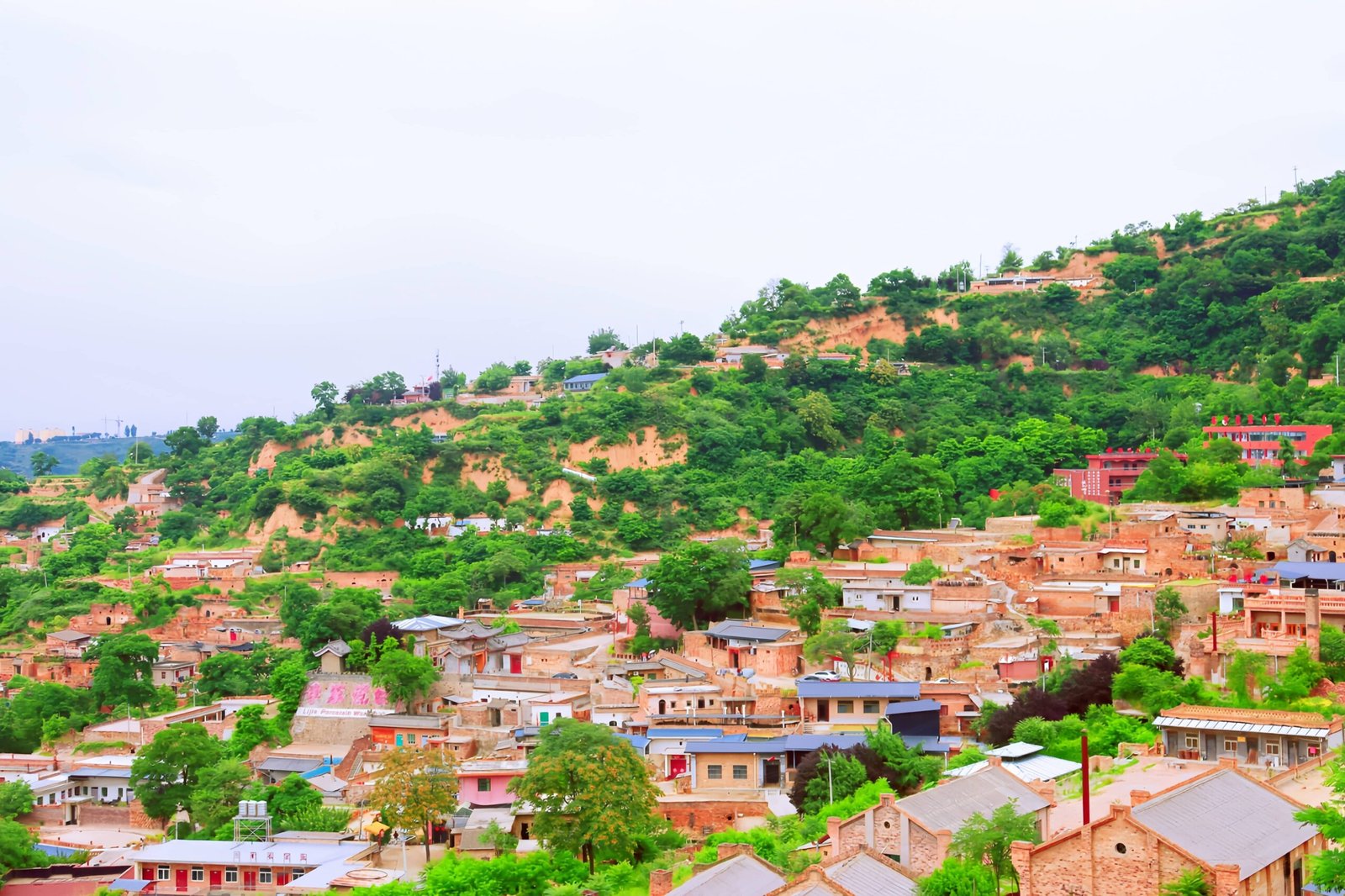
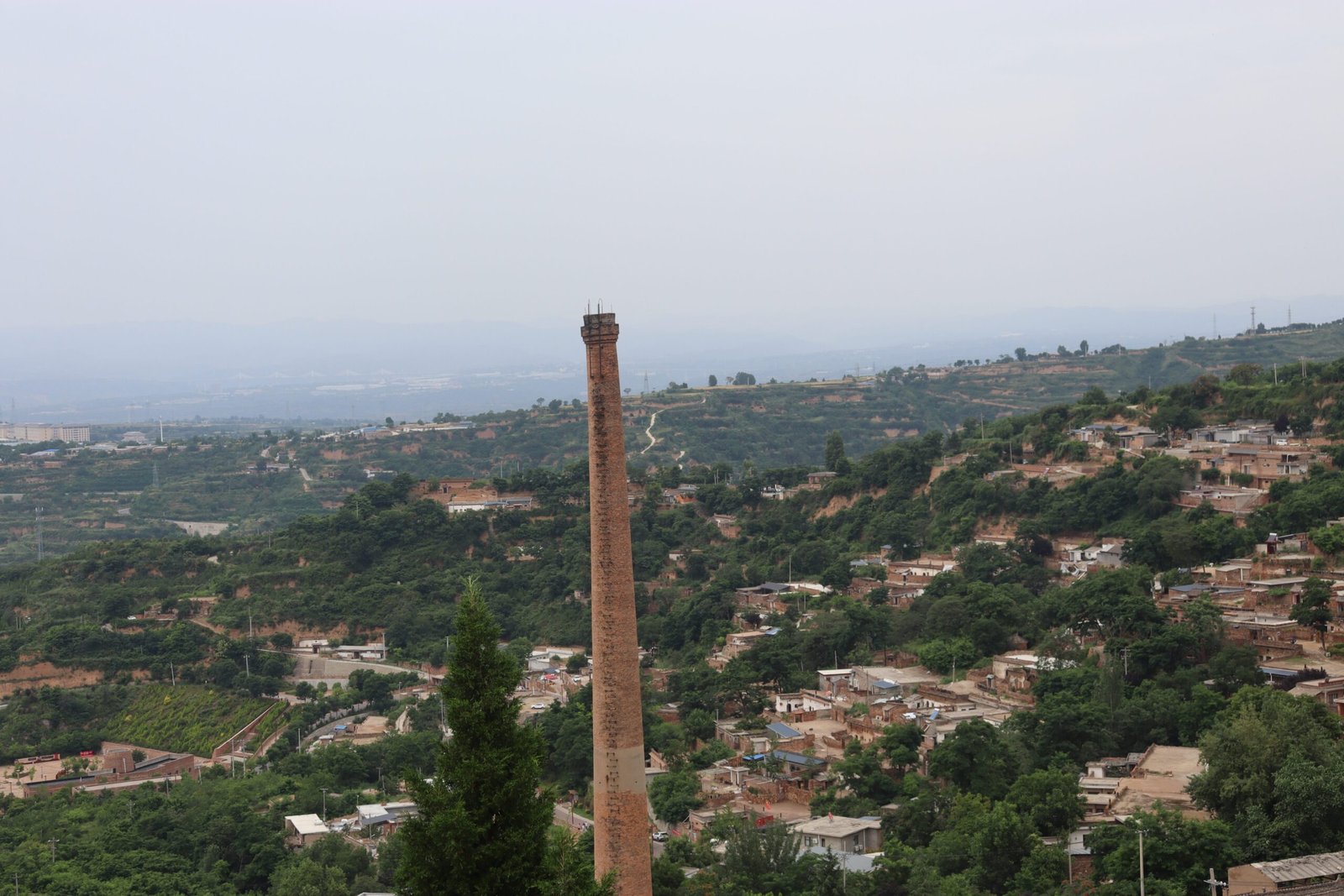
Chenlu is a historic ceramic town in Shaanxi, China, where clay, kilns, workshops and generations of making have shaped both the landscape and the knowledge of the place.
For us, Chenlu is not simply an origin story. It is the working environment in which materials, forms, surfaces and production decisions continue to be understood through practice.
Understand the Place
Making Never Became
Only History.
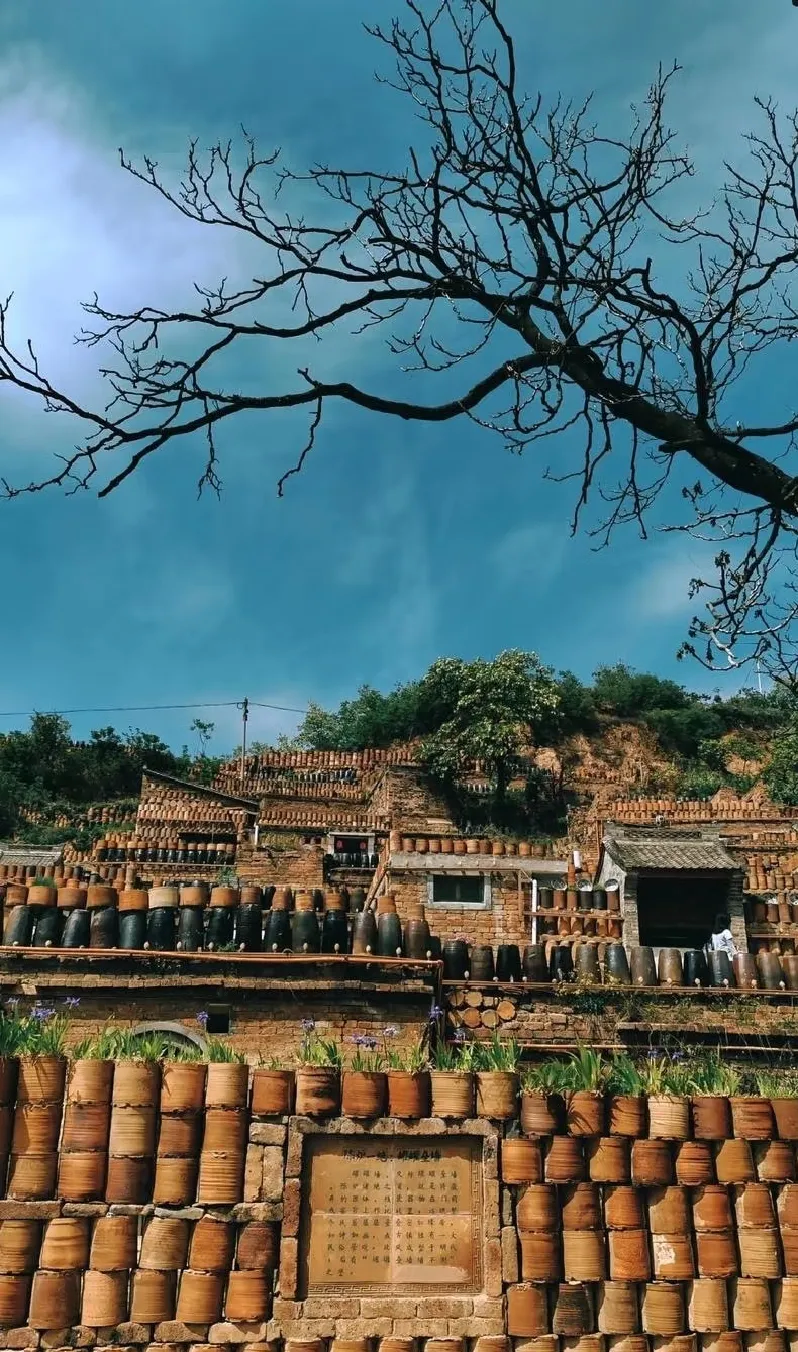
Chenlu belongs to a long ceramic tradition associated with the Yaozhou kiln region of Shaanxi. Across generations, ceramic production became embedded in the town through kilns, workshops, materials and the practical knowledge of making.
What matters today is not history alone, but continuity. Knowledge of clay preparation, forming, glazing and firing has remained connected to physical practice — learned, adjusted and passed on through making.
This continuity gives contemporary ceramic development a deeper working context: past knowledge remains present, while forms, surfaces and production methods continue to evolve.
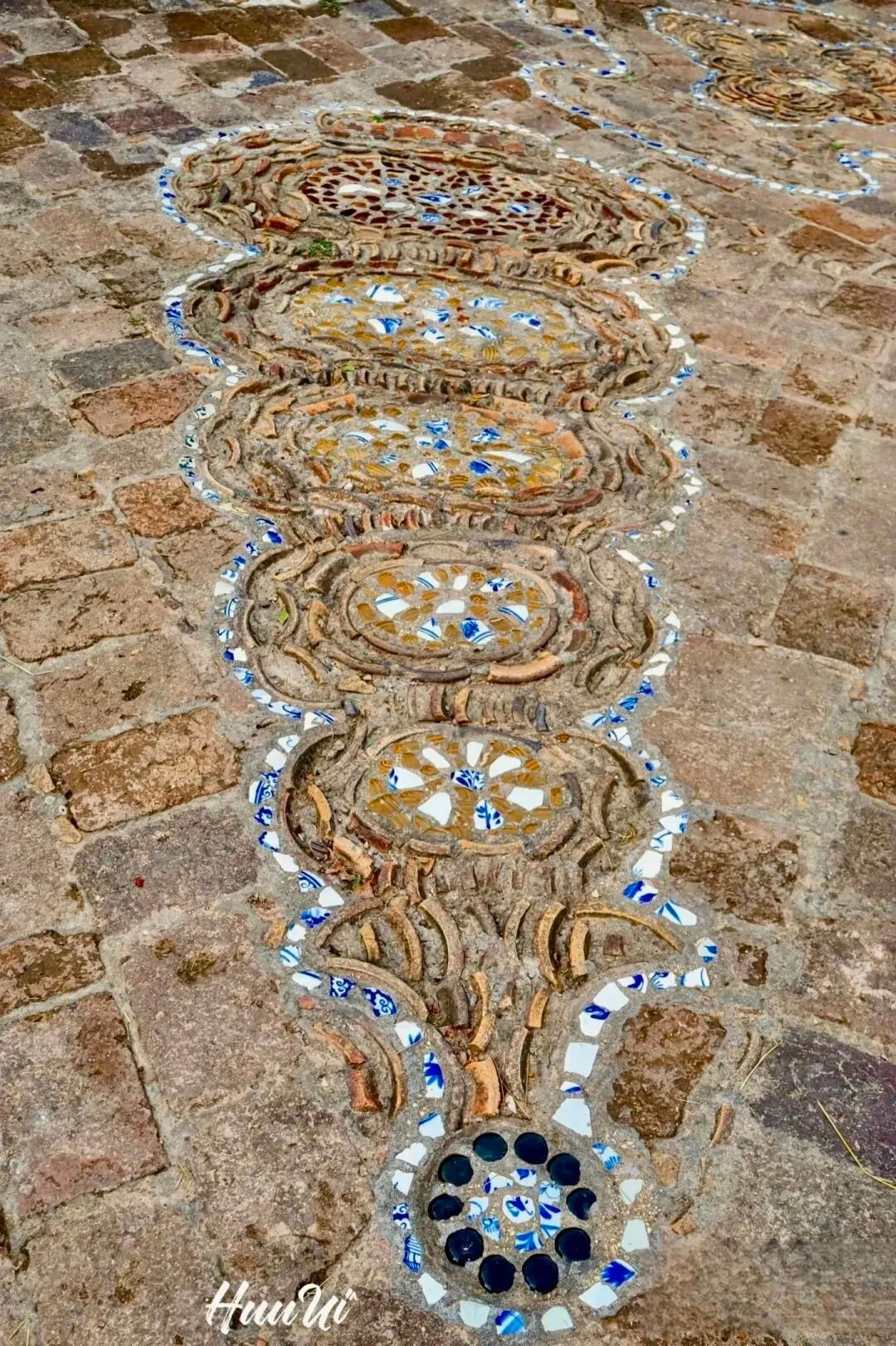
Ceramic Tradition
Ceramic production became established within the wider Yaozhou kiln tradition of Shaanxi.
Working Knowledge
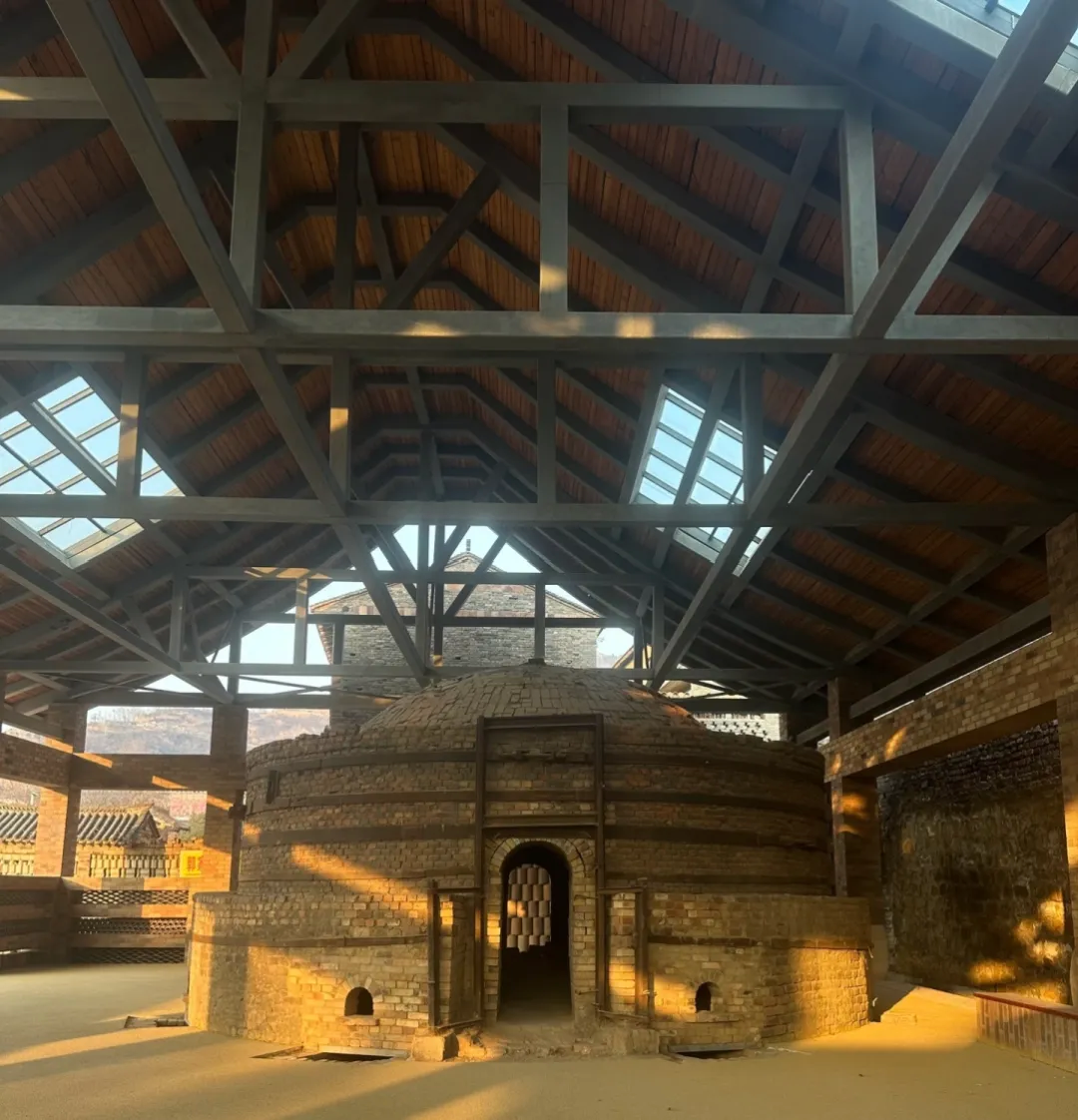
Kilns, workshops and generations of making embedded practical ceramic knowledge in the place.
Contemporary Practice
Ceramic development and production remain part of Chenlu today.
Knowledge Lives
Between Workshops.
Ceramic making rarely depends on a single skill. Form, clay, glaze and firing affect one another, and decisions made in one stage often change what is possible in the next.
In Chenlu, these disciplines exist within a shared working environment. Makers, workshops and kilns contribute different forms of practical knowledge, allowing ceramic decisions to be understood in relation to the whole process rather than as isolated steps.
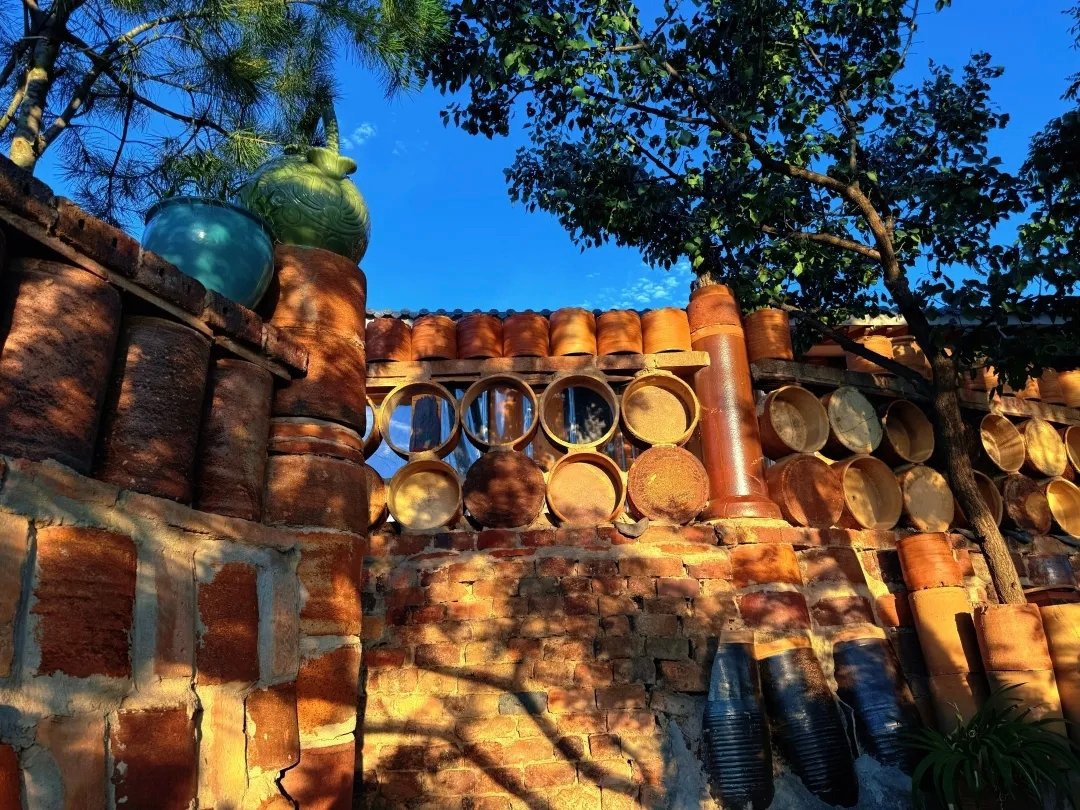
Form
Proportion, wall thickness, edge, foot and function are resolved through physical making rather than drawing alone.
Clay
Body composition, preparation and forming behaviour influence how a piece can be shaped, dried and carried through production.
Surface
Glaze is developed in relation to body, application, firing and intended visual character — not treated simply as a colour applied at the end.
Firing
Temperature, kiln conditions and firing response shape the final relationship between body, form and surface.
The value of this environment lies not in any one step, but in the feedback between them.
Variation Is Part
of the Material.
Ceramic materials do not behave like a printed surface or an industrial coating. Clay, glaze and fire interact, and the final result responds to material composition, application, temperature and kiln conditions.
This interaction creates variation in tone, texture, reflectivity and surface character. Some variation belongs naturally to ceramic production; other variation needs to be identified, tested and controlled.
For project work, the objective is not to remove the nature of the material, but to establish an acceptable and repeatable range for production.
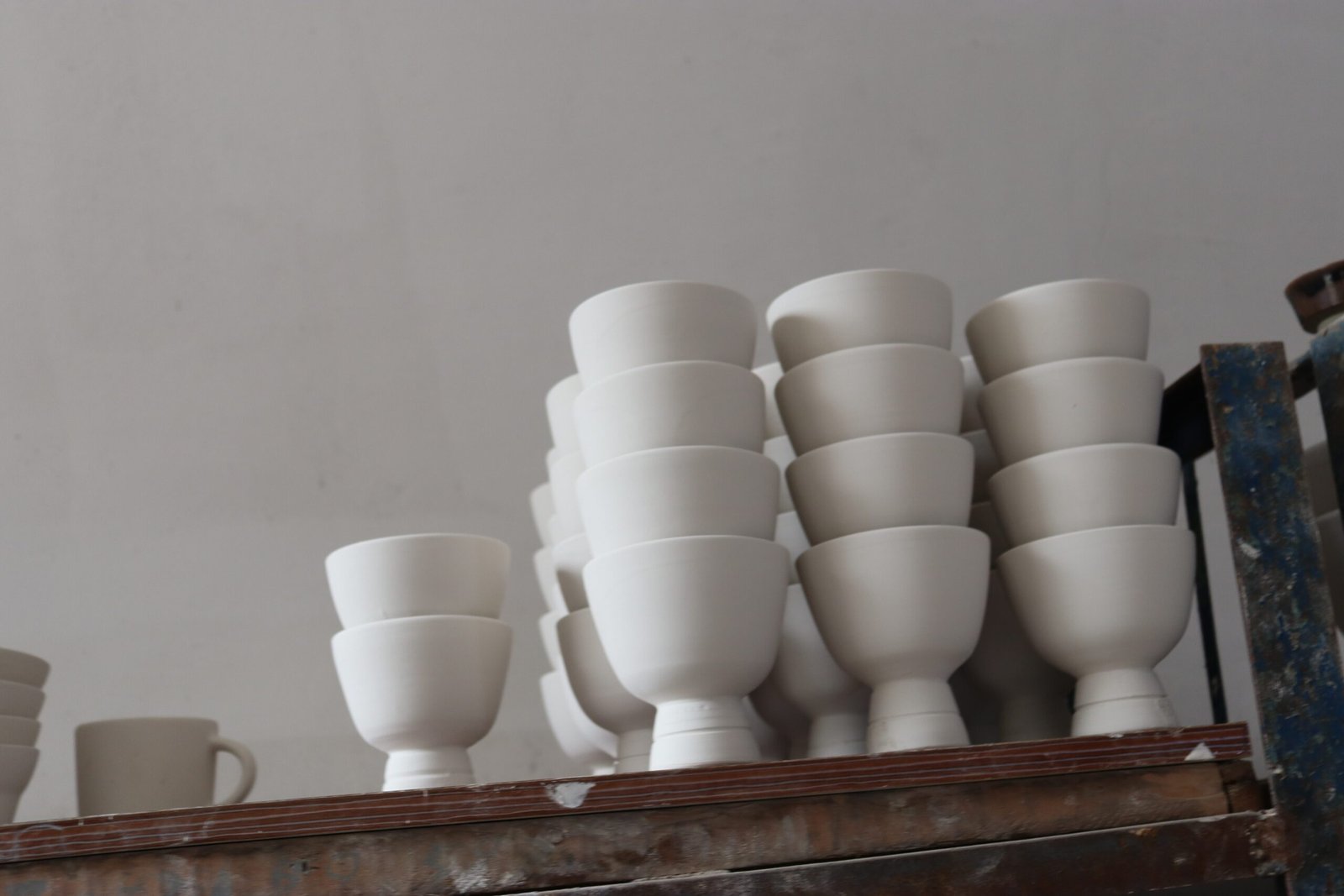
Understand the Material
The body, glaze and firing method are considered together to understand where natural variation may occur.
Test the Response
Physical samples reveal how tone, texture and surface behaviour respond under real firing conditions.
Define the Range
Approved references help establish the visual and technical range against which production can be evaluated.
A physical reference can establish the agreed direction for form, tone, surface and acceptable variation before production.
A Living Place
of Production.
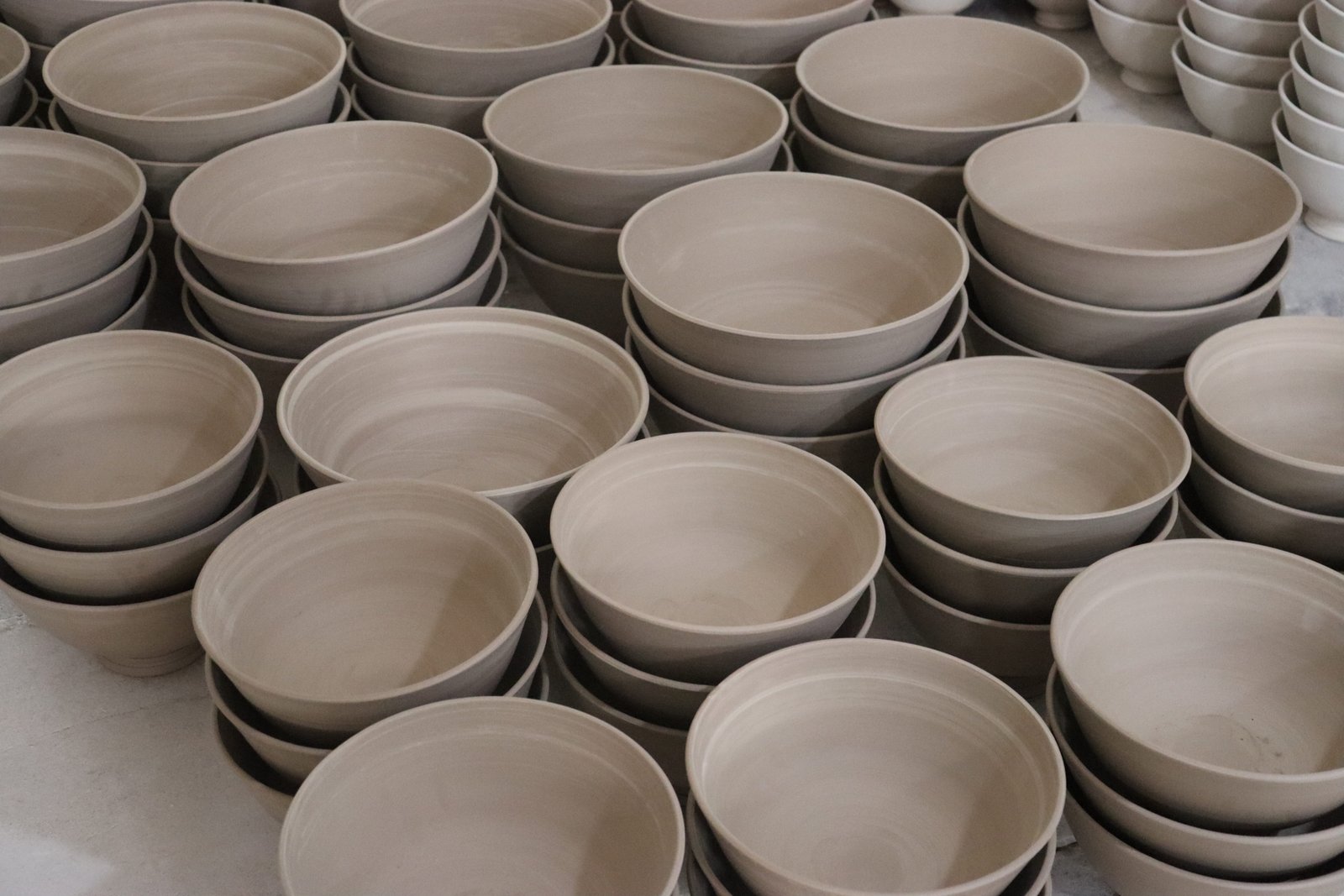
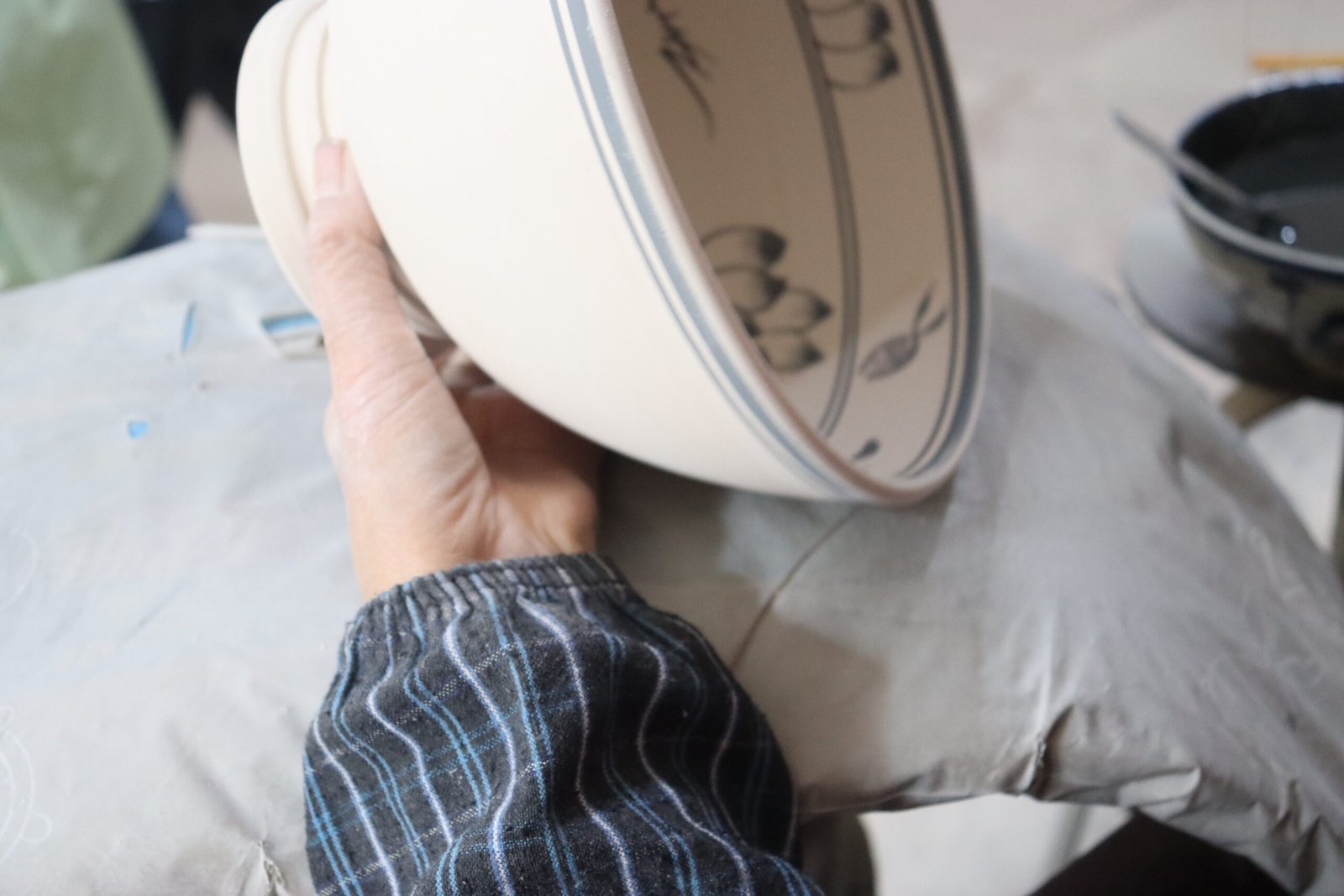
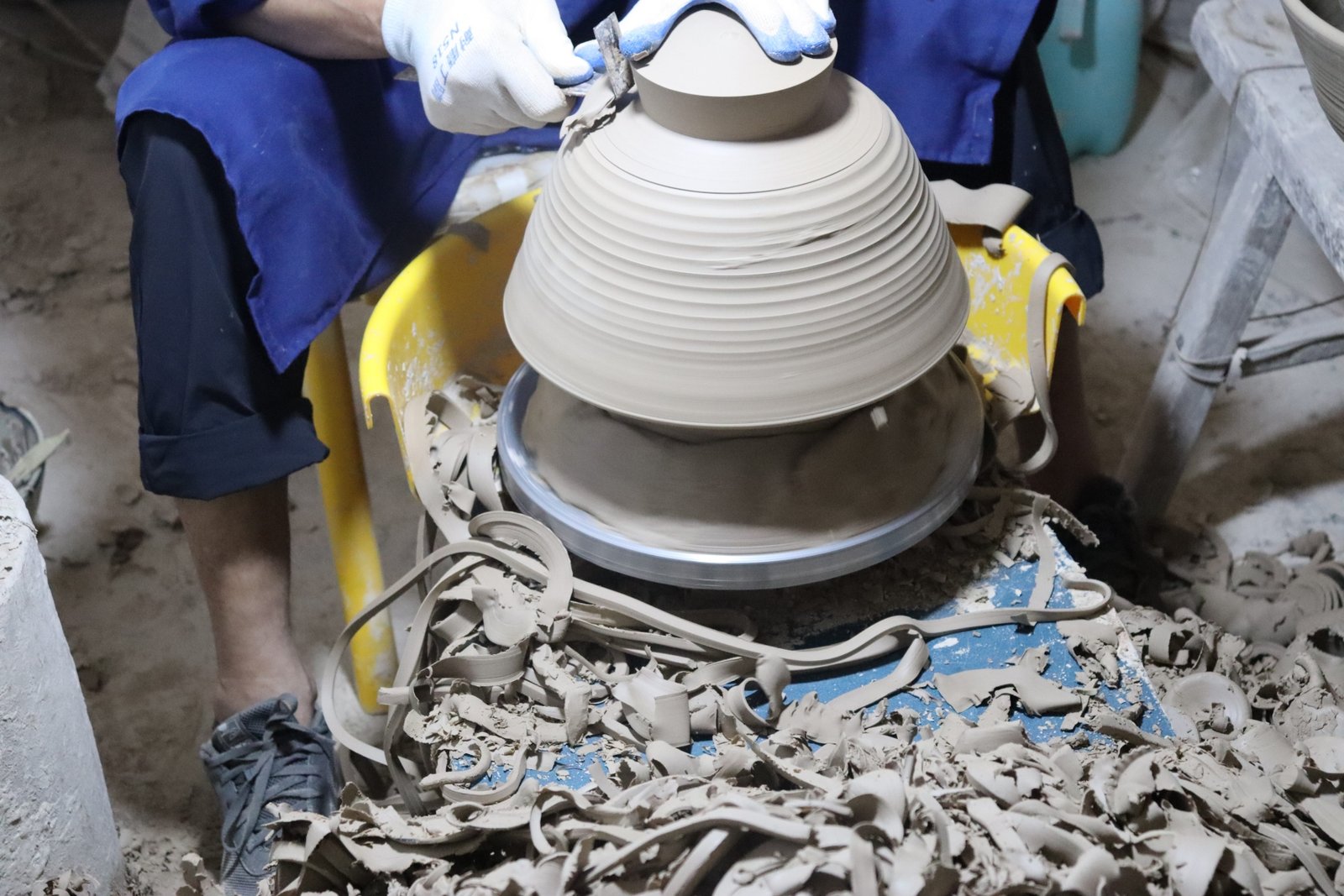
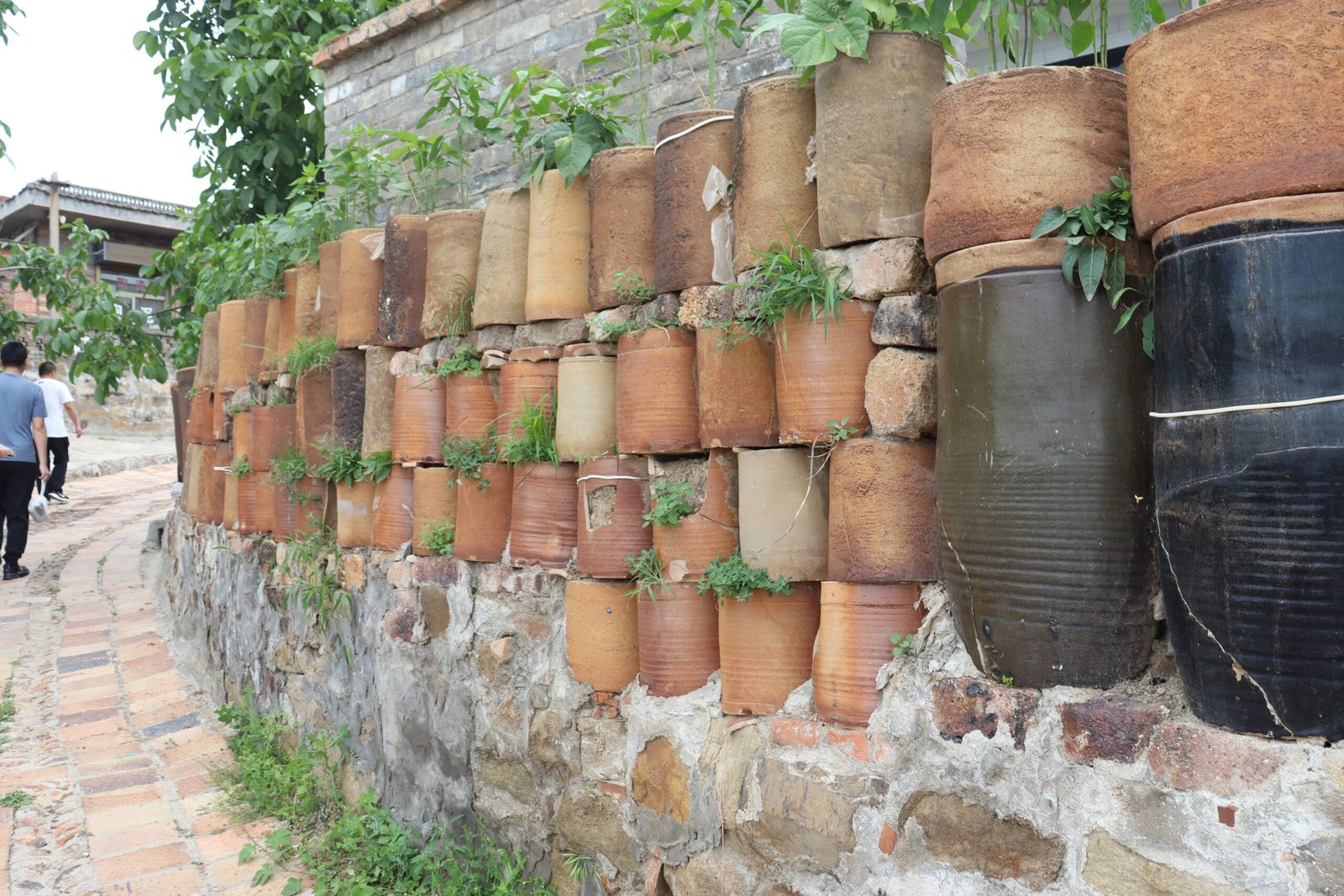
Chenlu’s ceramic identity is not confined to its past. Workshops, makers and kilns continue to form part of the working landscape of the town today.
Forms are made, surfaces are tested, kilns are fired and production decisions continue to be resolved through physical work.
What the Place
Brings to the Project.
Chenlu’s value to a project is not simply its history. It is the working context created by material knowledge, ceramic practice and an environment in which development and production remain closely connected.
For professional partners, this context can support better-informed decisions around form, surface, sampling and production.
Material Understanding
Practical experience with ceramic bodies, glaze behaviour and firing response helps material decisions remain connected to what can actually be made.
Physical Development
Ideas can move from drawings and references into prototypes, surface tests and physical samples that can be reviewed before production decisions are made.
Making Knowledge
Form, material, glaze and firing are considered as connected parts of the ceramic process rather than independent design decisions.
Production Context
Development takes place with an awareness of repetition, acceptable variation and the practical requirements of moving a ceramic form toward production.
Discuss Your Project.
Tell us what you are developing, the quantities you are considering and any requirements around form, surface, branding or production.
We can help determine whether an existing form or a custom development path is the better starting point.