Made for
the Project.
Custom ceramic tableware developed for hospitality, restaurants, retailers and design partners — from initial brief through sampling and production.
We work with you to develop form, proportion, size, surface and glaze around the needs of the project.
Discuss a Project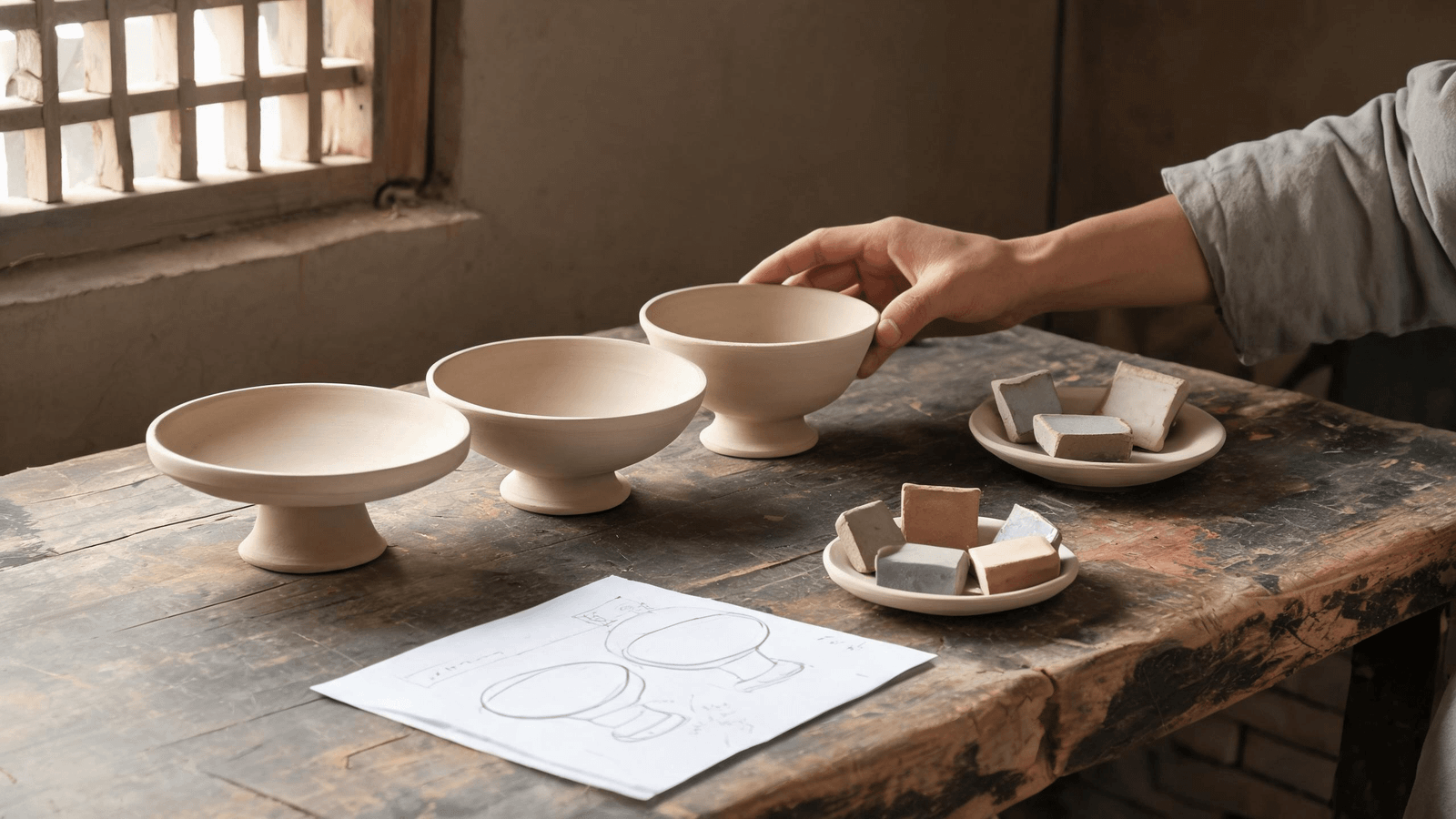
What Can Change.
What Must Still Work.
A custom ceramic piece is shaped by more than appearance. Form, proportion, capacity, surface and glaze all influence how it is made and how it performs in use.
We develop these elements together, balancing the character of the design with the practical requirements of production.
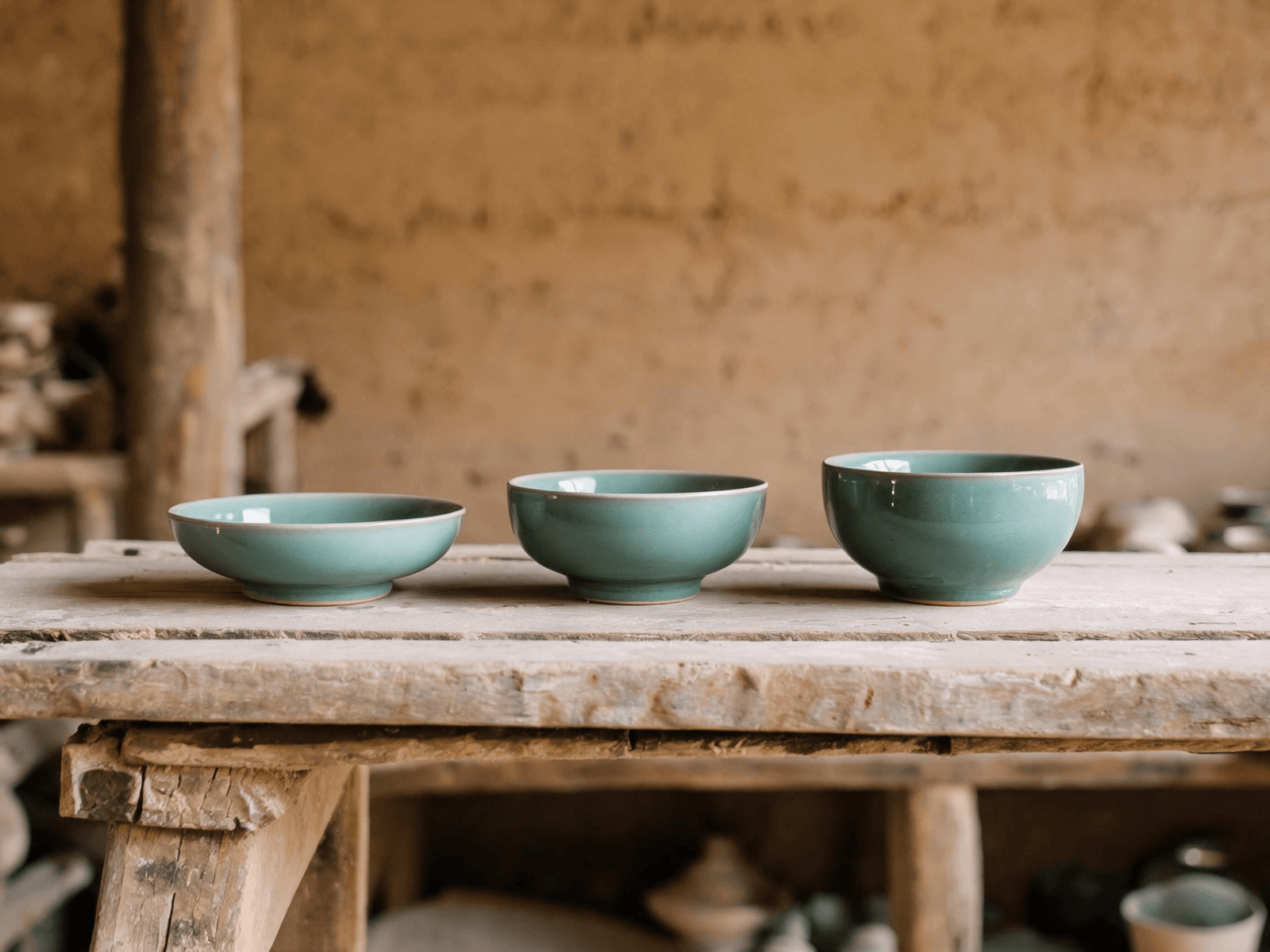
Shape the Object Around Its Use.
Profiles, rims, feet, curves and overall geometry can be developed around the intended setting and function.
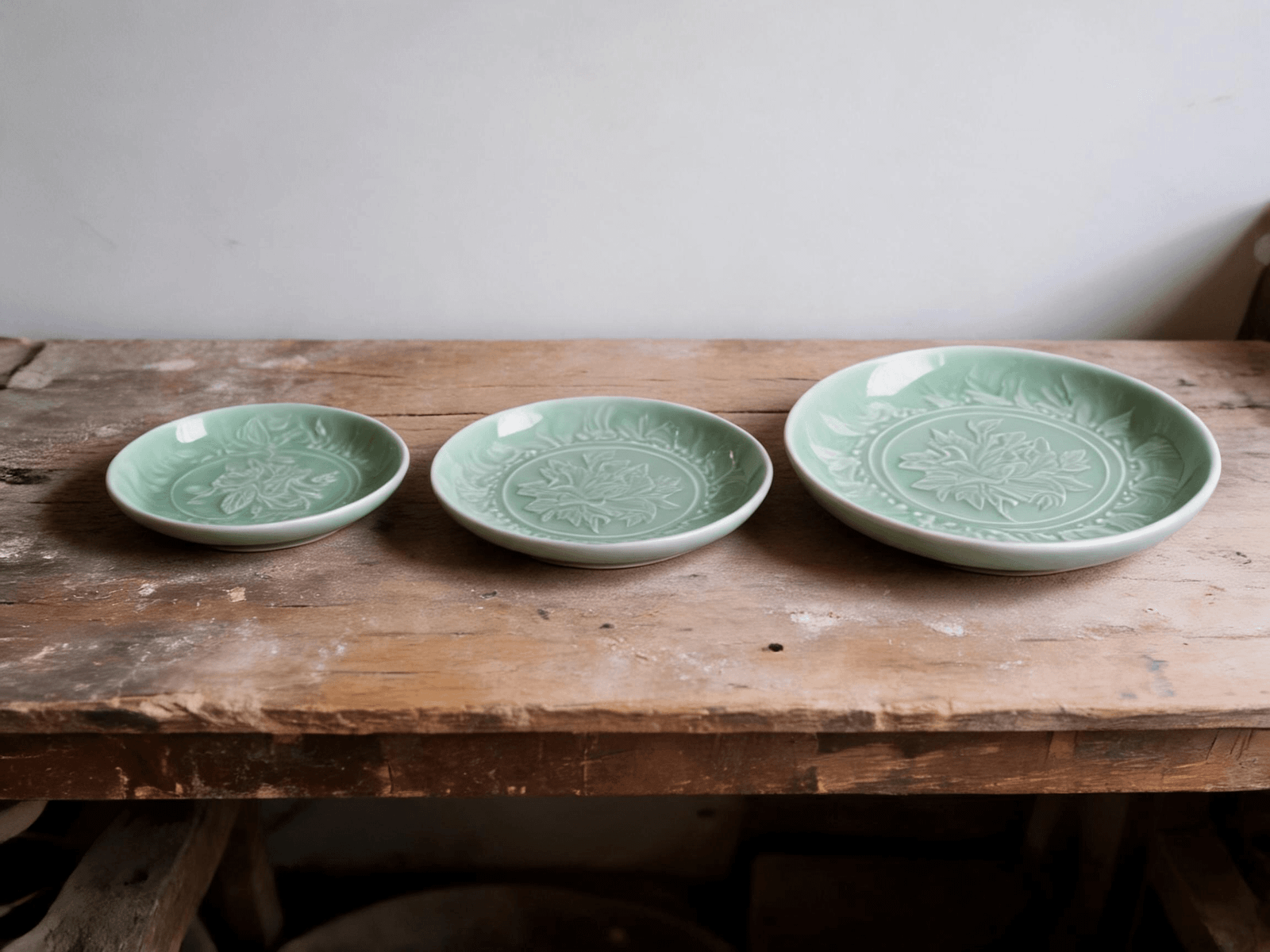
Adjust Scale Without Losing Balance.
Diameter, height, depth, capacity and proportion can be refined around service, presentation and handling requirements.
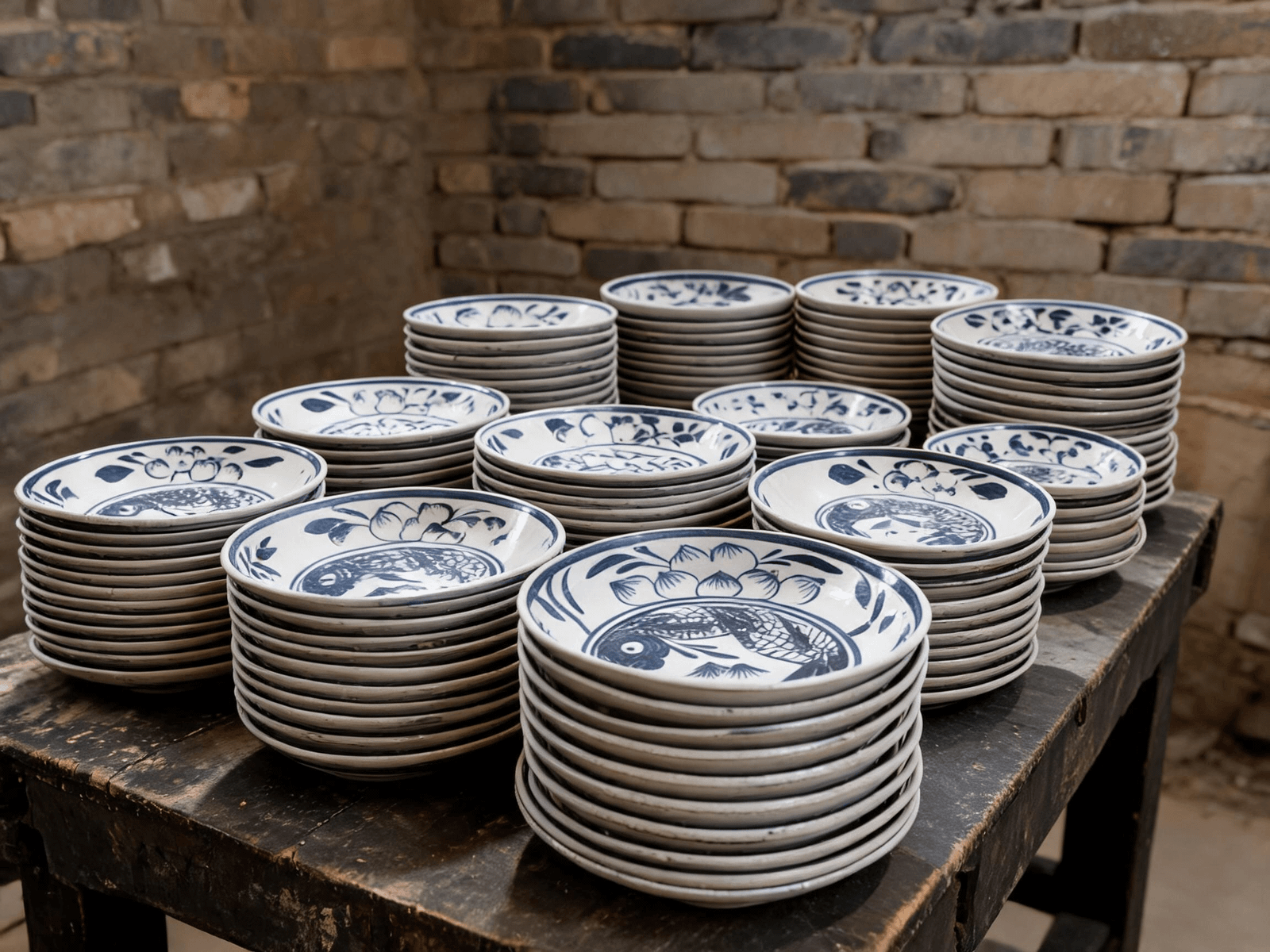
Designed for Use, Not Display Alone.
Weight, handling, capacity, stability, stacking and service context are considered alongside visual form.
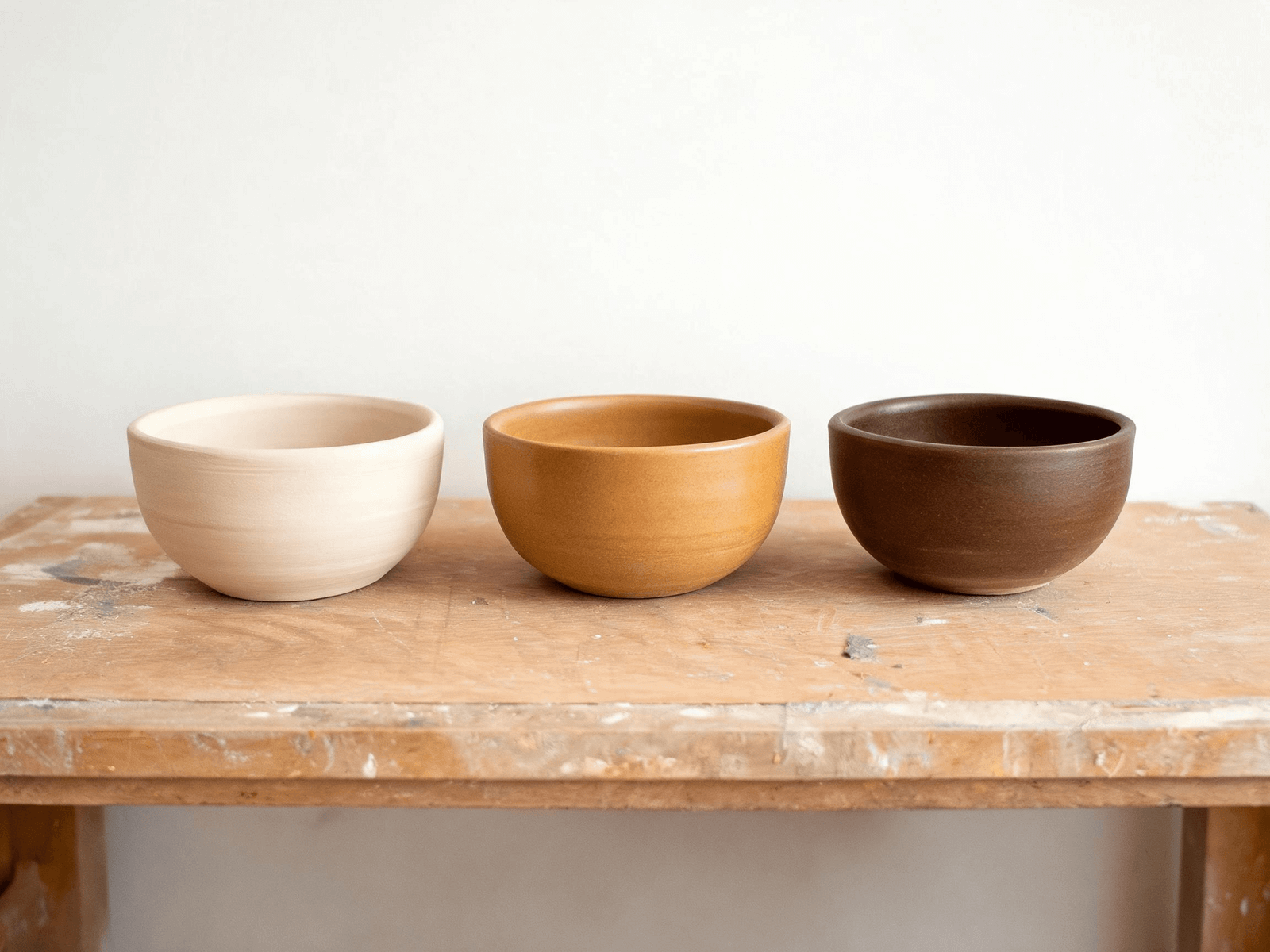
Develop a Surface That Belongs to the Project.
Glaze tone, depth, variation and finish can be explored through controlled testing before approval.
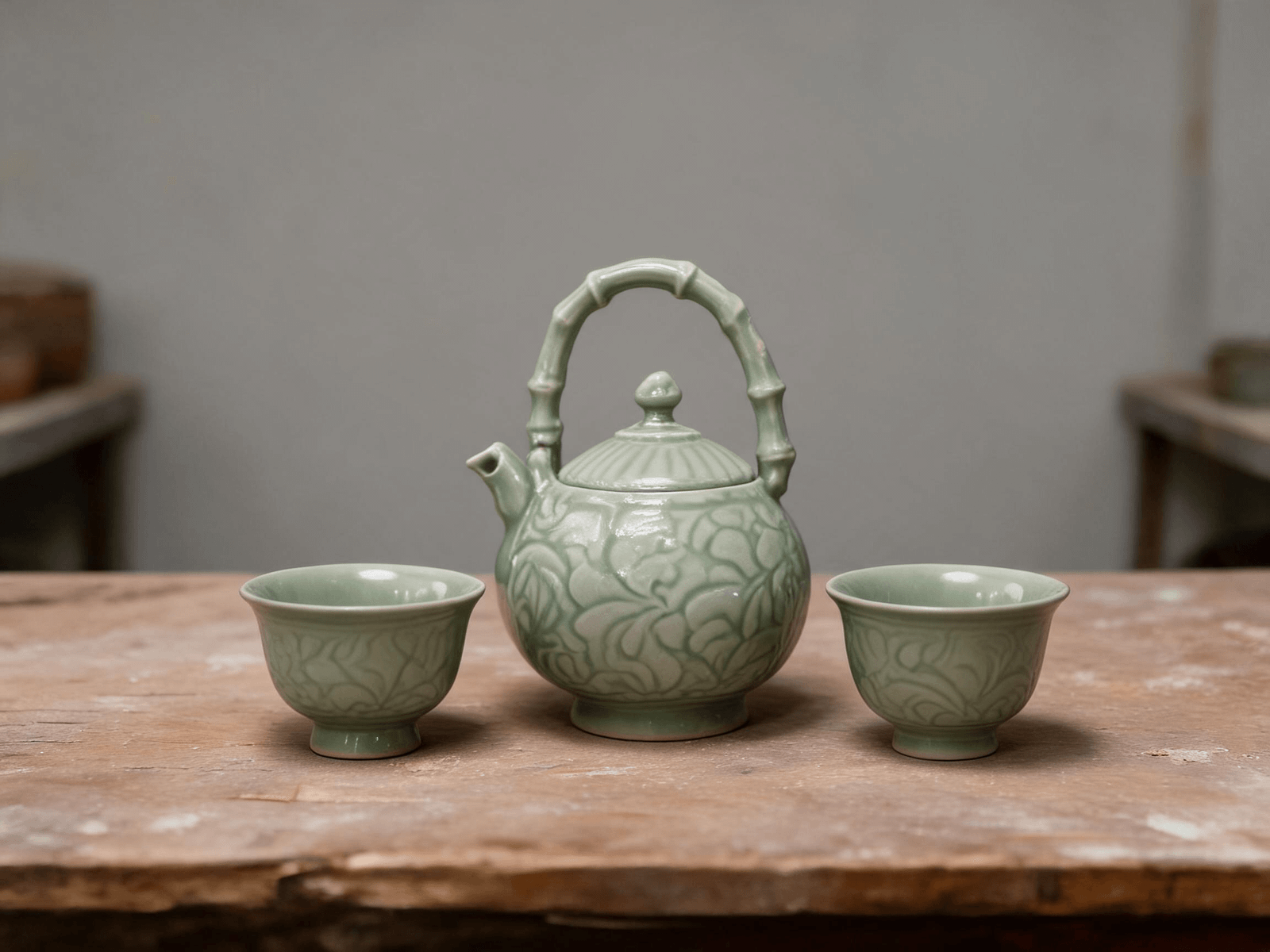
Texture Changes How the Object Is Experienced.
Matte, gloss, tactile surfaces and selected decorative treatments can be considered as part of the development process.
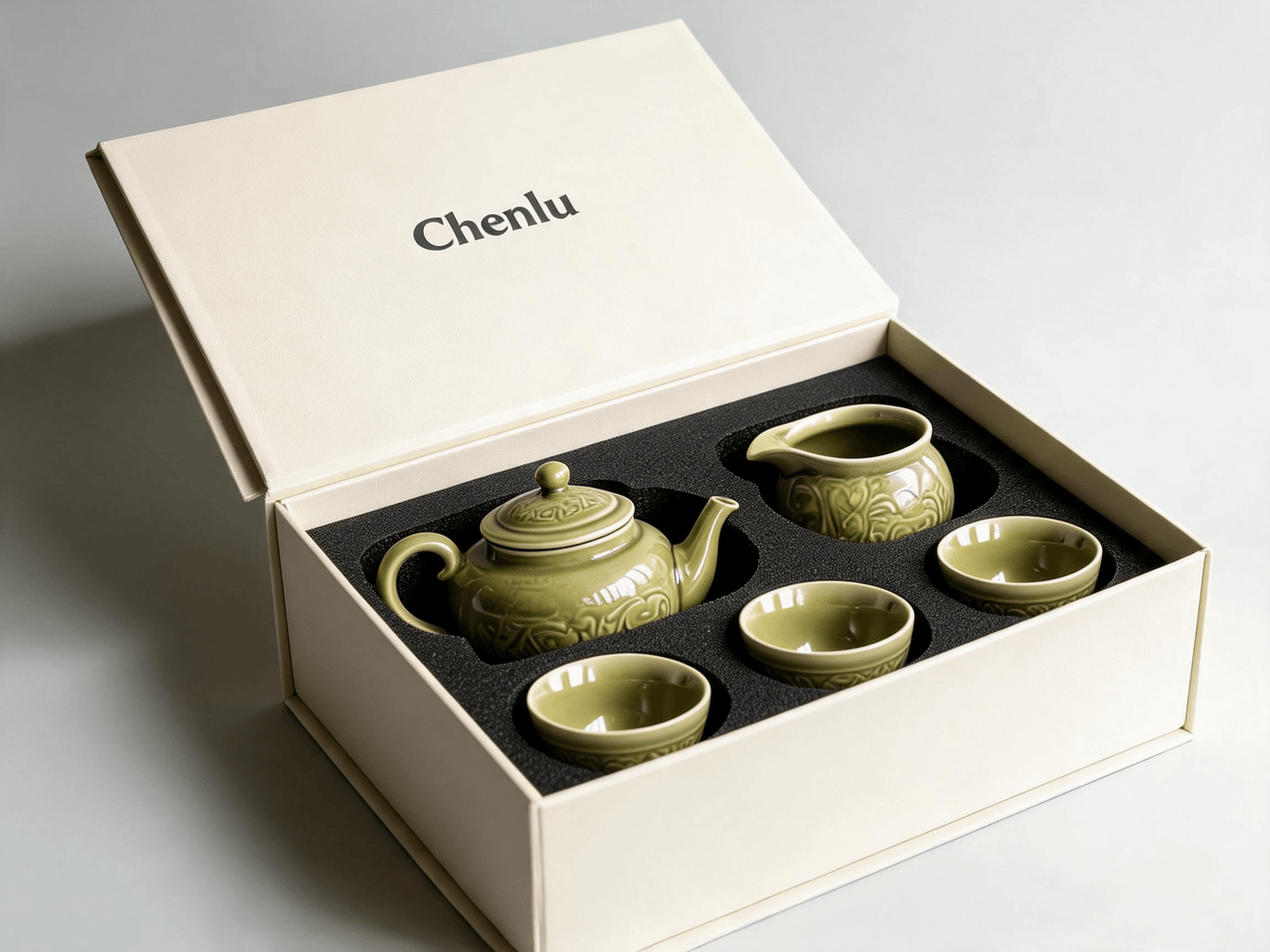
Make the Collection Recognizably Yours.
Selected marks, backstamps and packaging details can be developed where appropriate to the project.
Not Every Idea Should Go Directly Into Production.
Material, use and manufacturing all shape what is ultimately possible.
That is what development is for.
From Idea to
Working Sample.
Every project begins with a different set of requirements — use, scale, quantity, visual direction and production needs.
We translate those requirements into ceramic form through prototypes, material tests and practical evaluation.
The goal is not simply to make a sample. It is to make the right decisions before production begins.
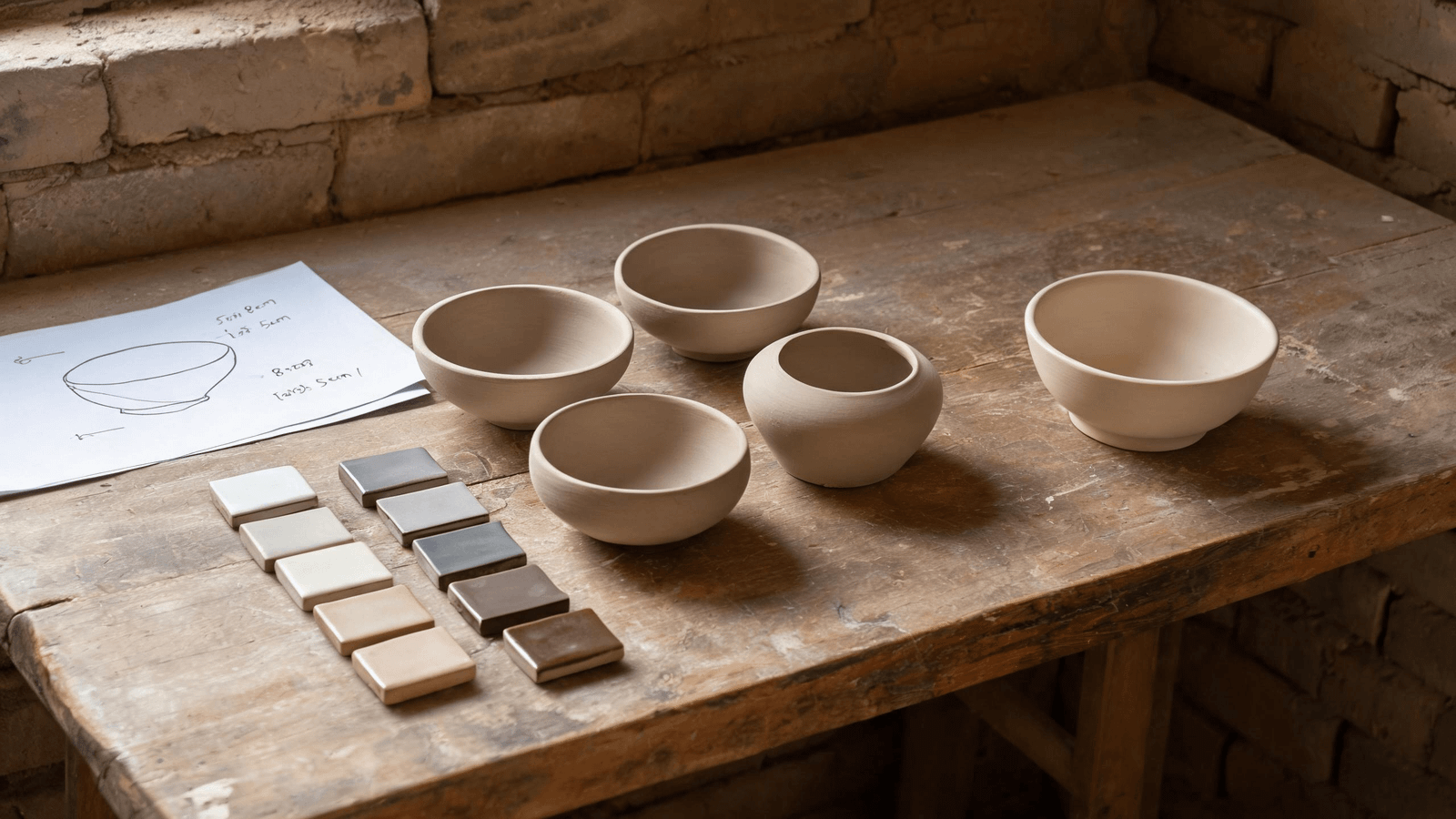
Start With the Use.
Intended use, context, quantity, dimensions, references and practical requirements.
Turn Requirements Into Shape.
Profile, depth, rim, foot and overall geometry begin to take physical form.
Refine What the Eye and Hand Notice.
Height, width, depth and weight are evaluated through physical prototypes.
Test Before Choosing.
Glaze, tone, texture and finish are explored through physical tests.
Bring the Decisions Together.
Form, proportion, function and surface become one physical piece for evaluation.
Development Is Rarely a Straight Line.
A change in form may affect proportion. A glaze may behave differently on a revised surface. A sample may reveal something that drawings cannot.
Each round should answer a specific question and move the project closer to an approved specification.
Refinement is part of the work.
The Sample Is Where
Design Becomes Specification.
A working sample gives the project something drawings and references cannot: a physical object that can be held, measured, compared and evaluated.
Before production begins, form, dimensions, function, surface and glaze are reviewed together.
Adjustments are made where necessary. Once the sample is approved, it becomes the reference for production.
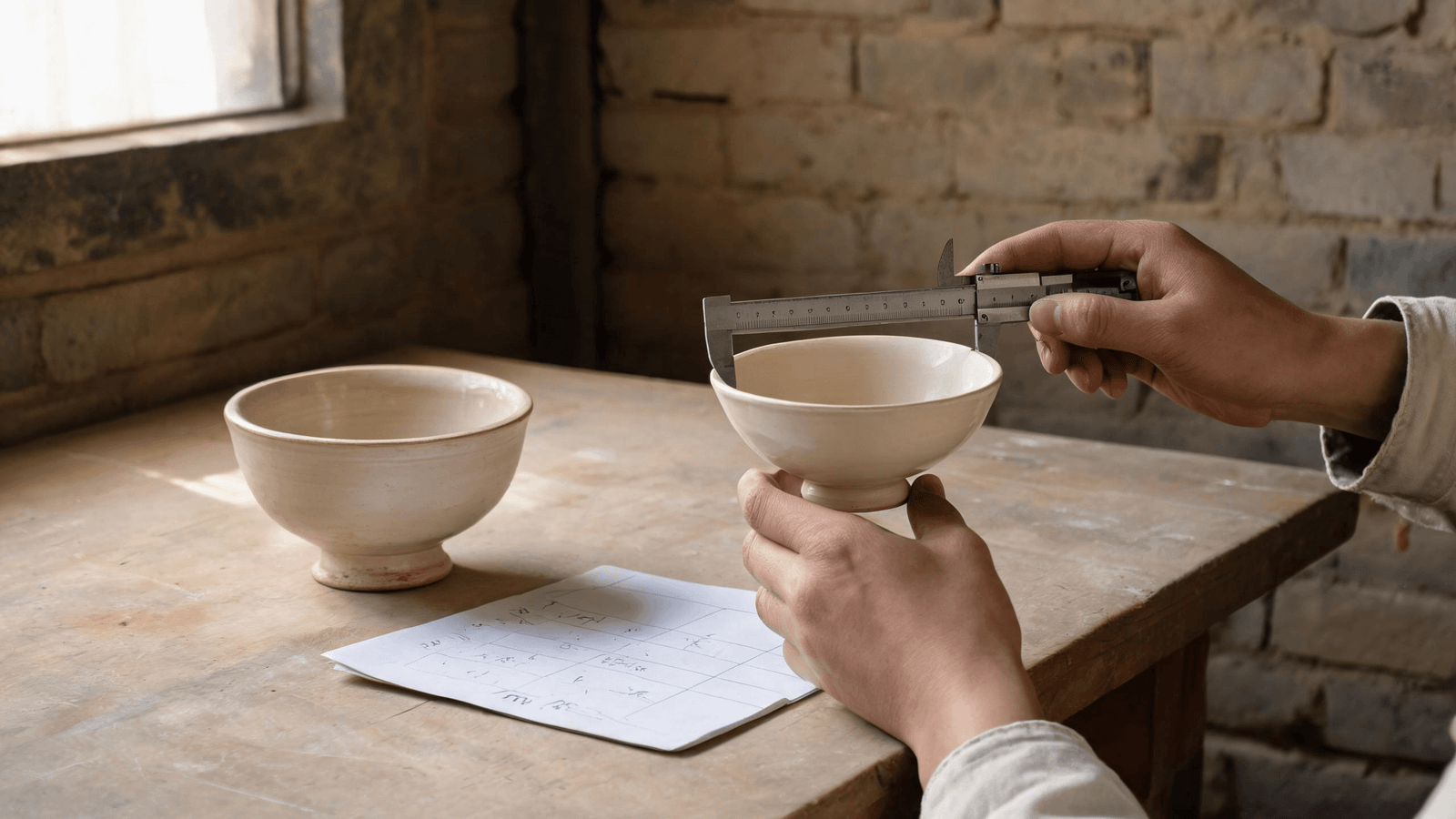
Does the Piece Feel Resolved?
Profile, rim, foot, depth and overall proportion are reviewed against the intended design.
Does It Meet the Required Scale?
Key dimensions, capacity and project-specific measurements are checked before approval.
Does It Work as Intended?
Handling, stability, stacking, capacity and service requirements are considered where relevant to the project.
Is the Material Direction Right?
Glaze tone, texture, finish and the expected degree of natural variation are reviewed against the approved direction.
Adjust Before You Multiply.
If a form, measurement or surface needs refinement, the change is made at sample stage — before it becomes a production issue.
Nothing Moves Into Production Until the Reference Is Clear.
Crafted by Hand.
Managed as a Project.
Production begins only after the project direction is approved.
From there, the work moves through forming, finishing, glazing and firing while remaining anchored to the agreed sample and project requirements.
Handcraft remains part of the making. Planning, comparison and quality review keep the production aligned.
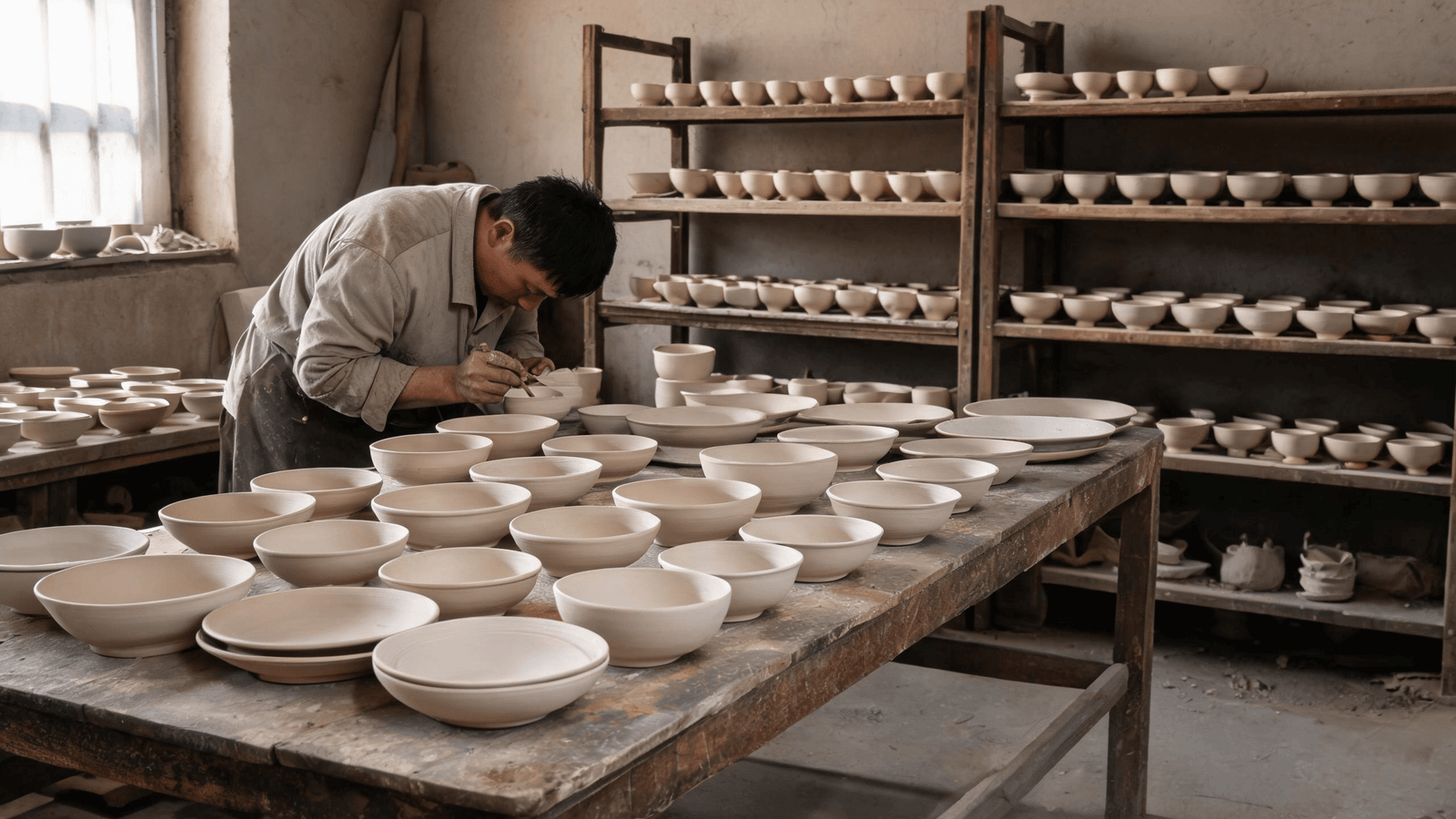
Forming
Giving the Approved Form Physical Shape.Pieces are formed according to the approved direction, with attention to profile, proportion and intended use.
Finishing
Where the Hand Refines the Form.Edges, feet, surfaces and details are finished before the work moves forward.
Glazing
Applying the Approved Surface Direction.Glaze preparation and application follow the confirmed material and visual direction for the project.
Firing
Where Material and Heat Complete the Work.Firing transforms clay and glaze into their final ceramic state, with natural material variation remaining part of the process.
Reference
Work Against the Approved Sample.Production is compared against the confirmed form, dimensions and surface direction.
Batch
Organize the Work as a Production Run.Pieces move through production in planned groups so progress and consistency can be reviewed throughout the project.
Review
Check During Production, Not Only at the End.Form, surface and visible variation are reviewed as the work progresses.
Coordination
Keep Production Aligned With the Project.Approved references and project requirements remain available throughout production.
Consistency Without
Erasing the Hand.
Project production is not about removing every sign of making. It is about keeping variation within a range that remains appropriate to the approved collection and its intended use.
Variation Is Natural.
Standards Are Not Optional.
Ceramic materials respond to forming, glazing and firing in ways that naturally create subtle variation from piece to piece.
For professional projects, that variation still needs boundaries.
We distinguish between the characteristics that give ceramics their material character and the requirements that must remain consistent for the collection to function as intended.
What May Naturally Vary.
Subtle shifts in tone and depth may occur through application and firing.
Small variations in texture and glaze movement may remain visible.
Slight evidence of forming and finishing can remain part of the piece.
Heat can create subtle differences that belong to the ceramic process.
What Must Remain Controlled.
The piece should remain recognizably aligned with the approved form and proportion.
Project-critical dimensions and capacity are reviewed against the confirmed requirements.
Stability, handling and other agreed functional requirements must remain appropriate to use.
Pieces should belong together visually and functionally as one approved collection.
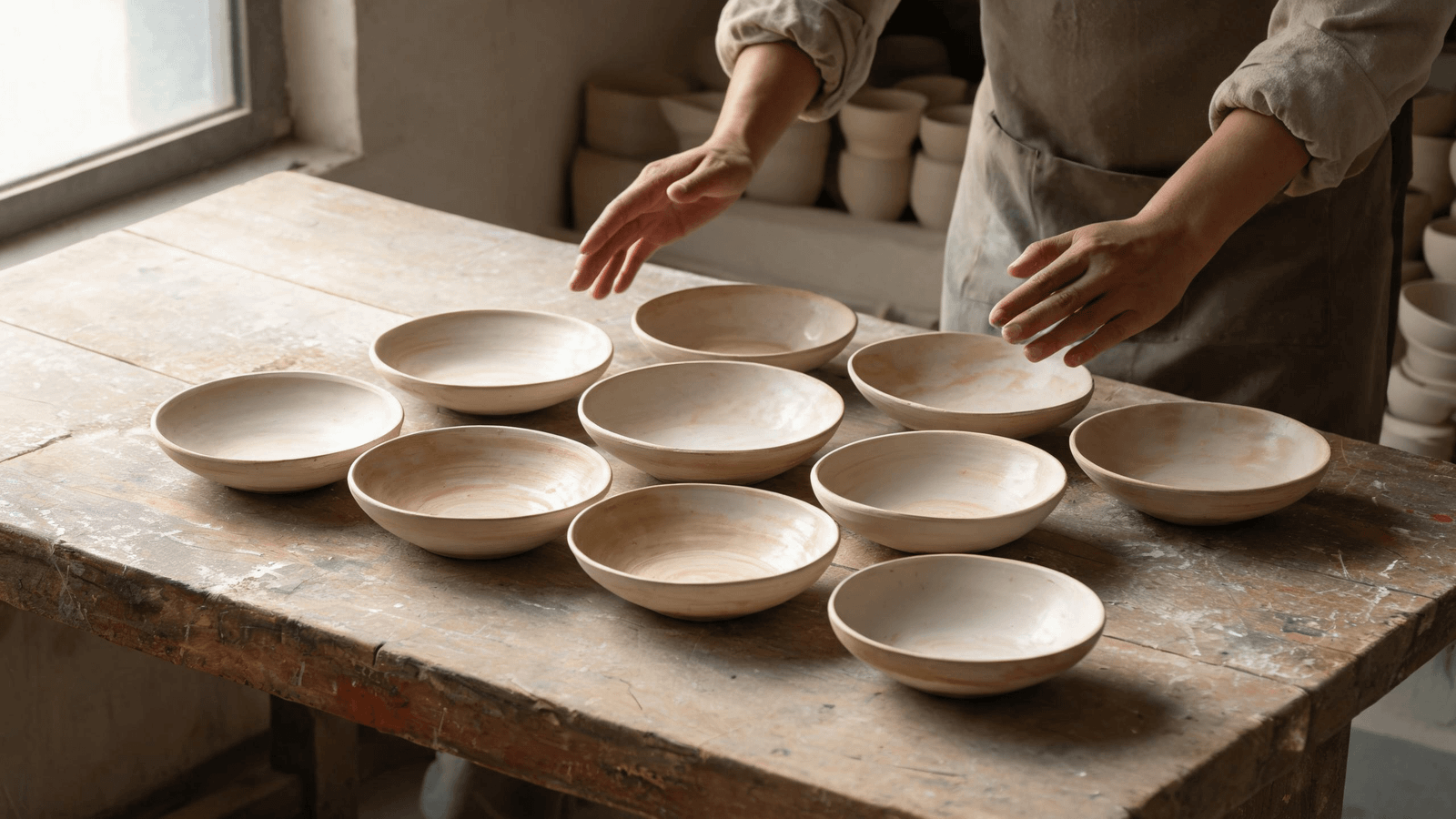
Natural Variation Has Limits.
When variation begins to compromise the approved form, function or overall collection direction, it is no longer simply part of the material character.
Consistency Is Not Sameness.
It is the ability of a collection to remain coherent in form, function and material character across production.
The goal is not to erase variation. It is to know where variation belongs.
Different Projects.
Different Requirements.
A restaurant, hotel, retail collection and design project may begin with the same material, but they rarely ask the same things of it.
We develop ceramic work around the context in which it will be used — considering function, scale, service, visual direction and production requirements from the beginning.
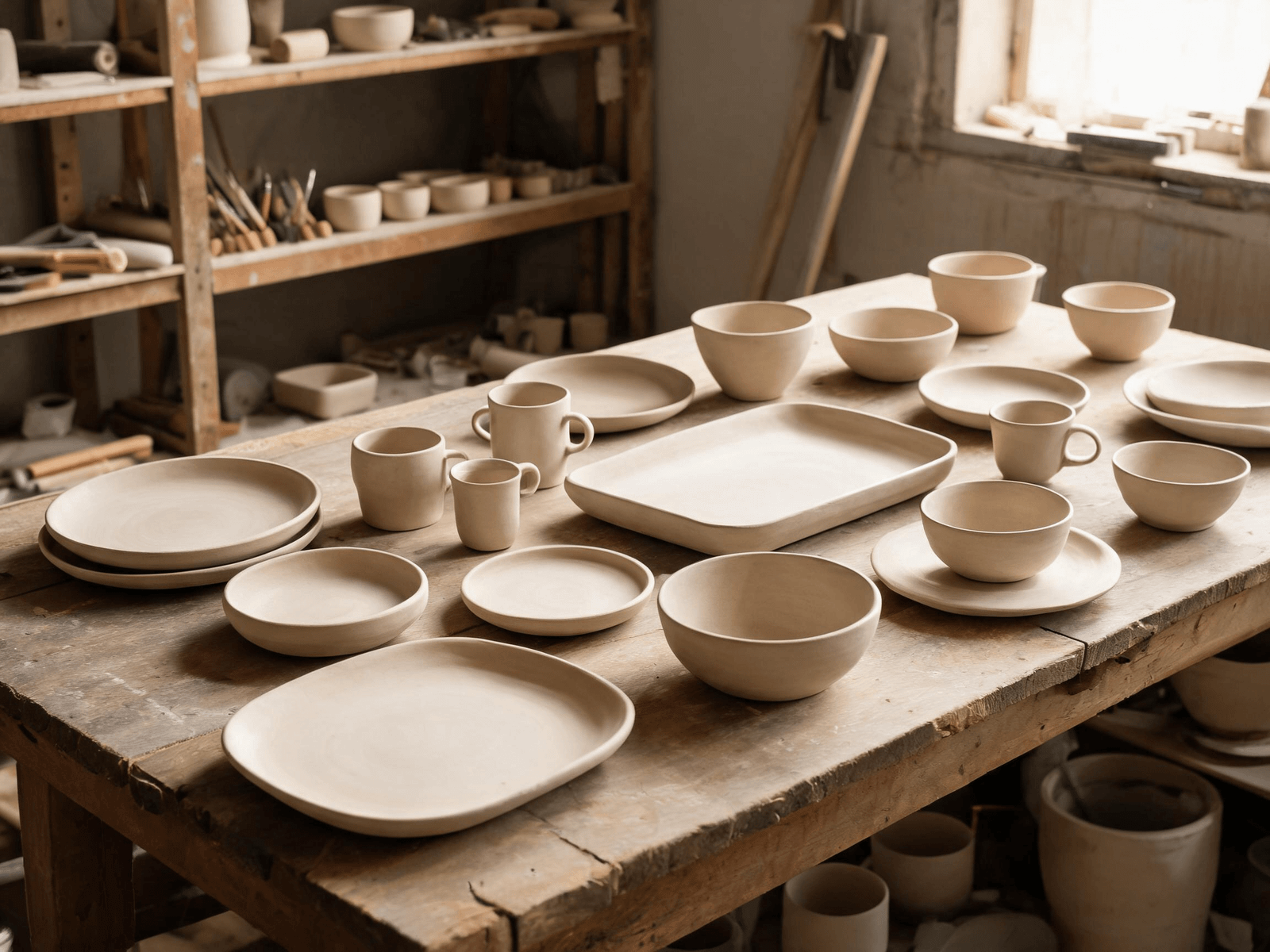
Build a Collection Across the Guest Experience.
Tableware and ceramic pieces can be developed around the visual language, service requirements and different settings within a hospitality project.
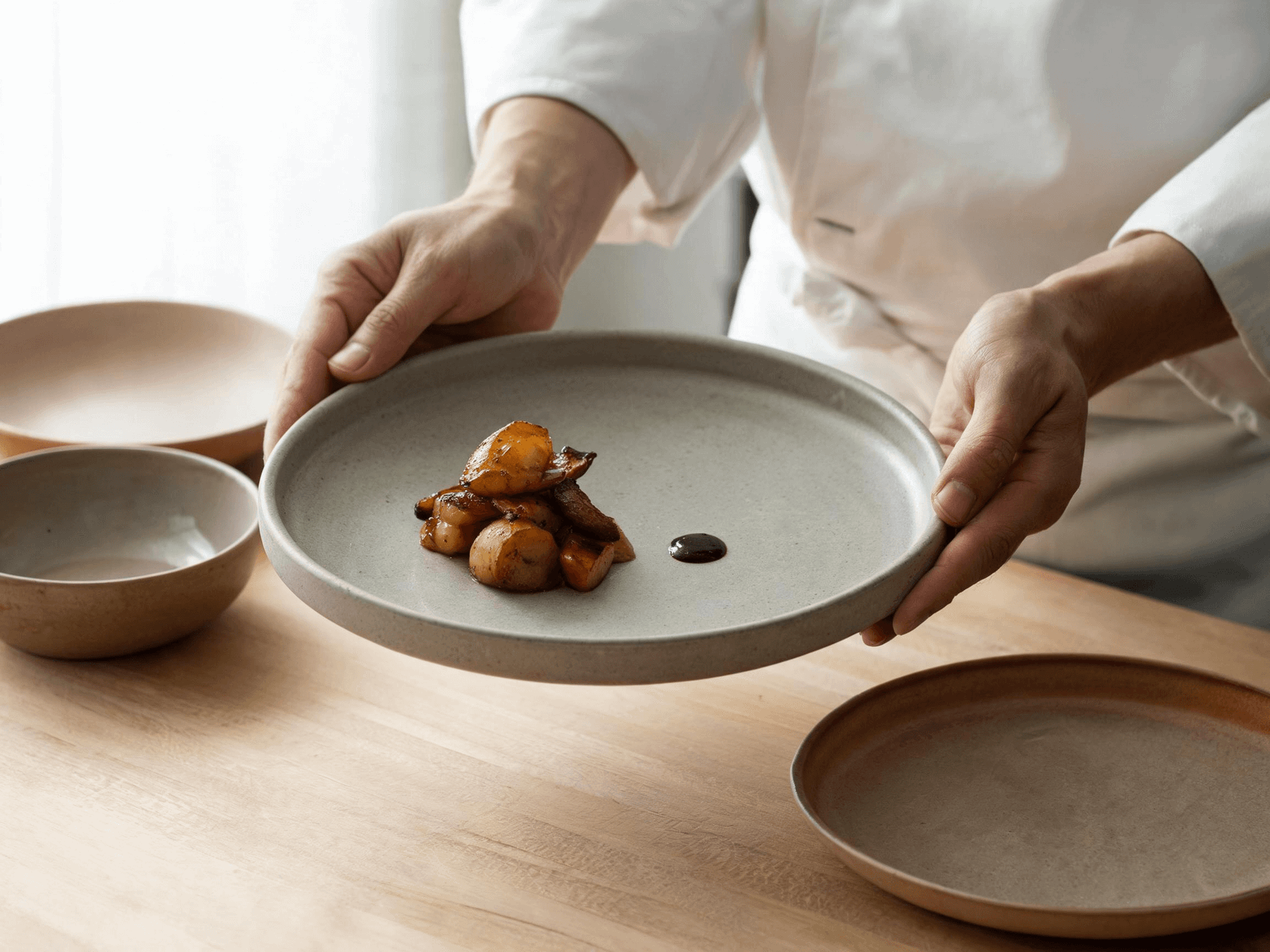
Start With the Dish, Not the Plate.
Form, depth, proportion, color and surface can be developed around plating, portion, service and the way the piece is handled in use.
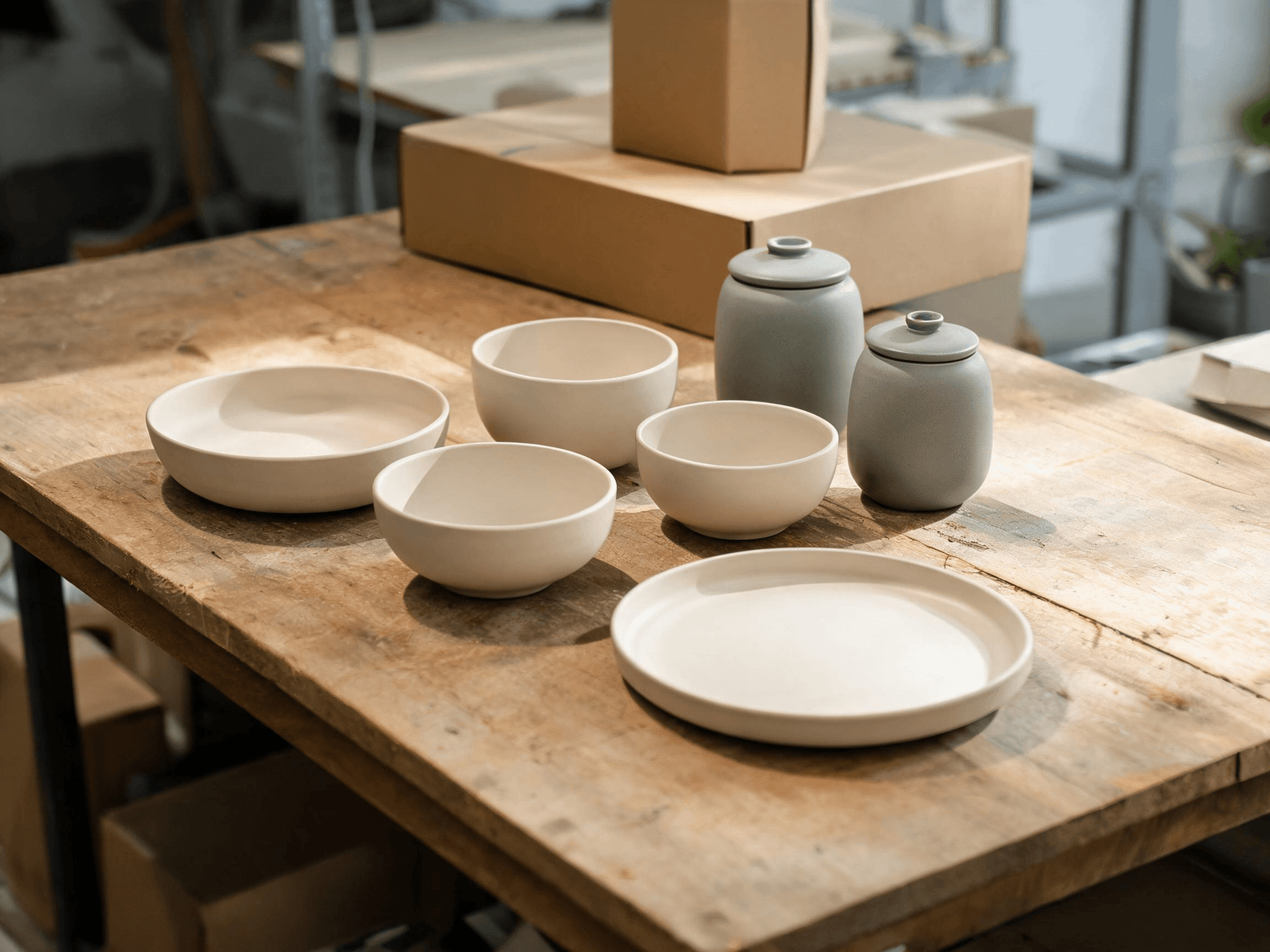
Develop a Collection That Can Live Beyond One Piece.
We work with partners to develop coordinated ceramic ranges with clear form, surface and product relationships across the collection.
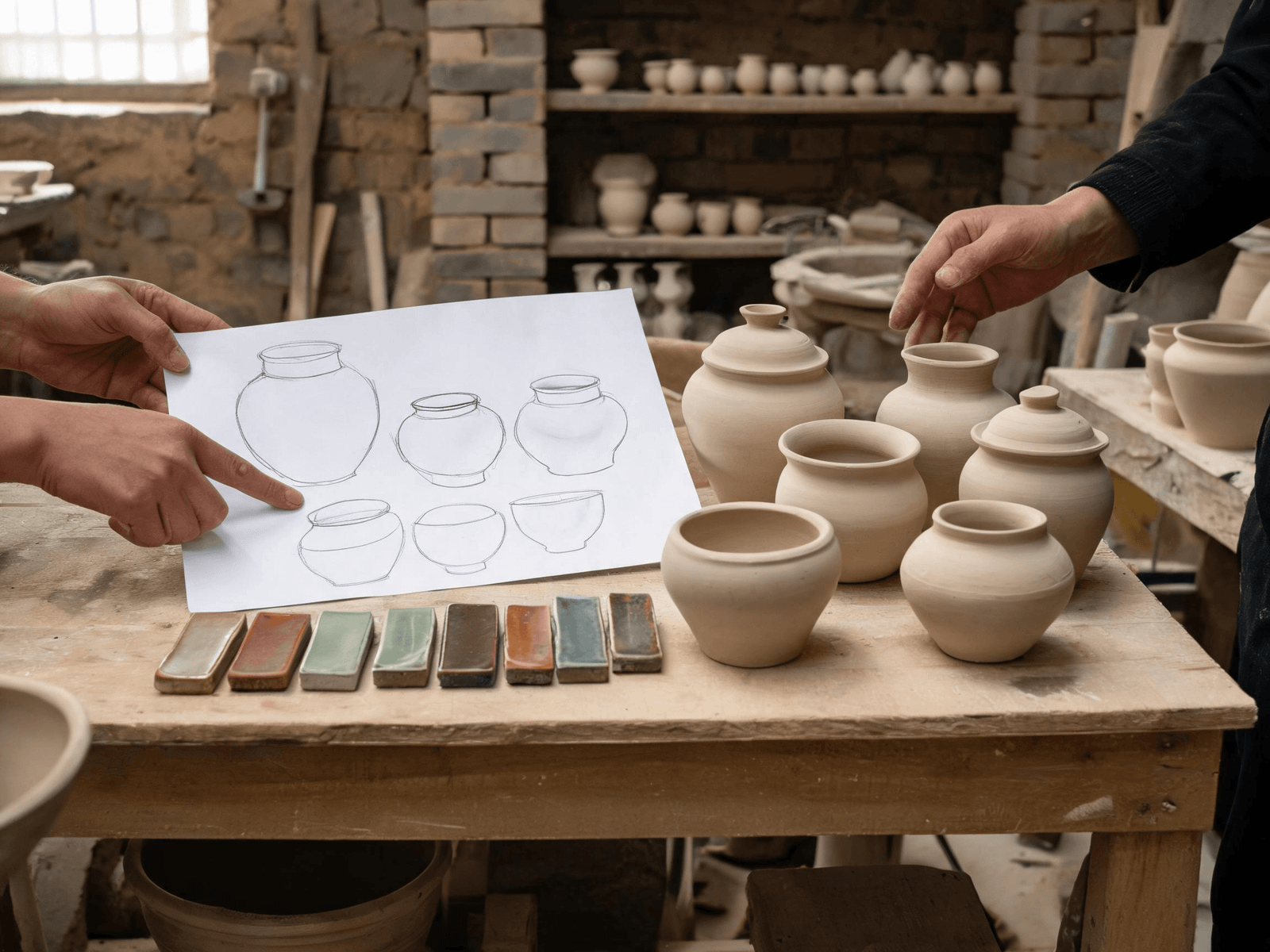
Bring a Ceramic Idea Into Material Form.
We collaborate with designers to explore form, proportion, surface and production feasibility as an idea moves from reference or concept toward a physical ceramic piece.
The Context Changes.
The Process Remains Clear.
Understand the requirement. Develop the piece. Approve the reference. Produce with care.
Tell Us What
You’re Working On.
You don’t need to have every detail resolved before getting in touch.
Share what you know about the project — its use, approximate quantity, dimensions, visual direction and timing. We’ll review the brief and let you know what we need to explore next.
Start With What You Know.
A reference image, rough dimensions or even a description of how the piece will be used can be enough to begin the conversation.